
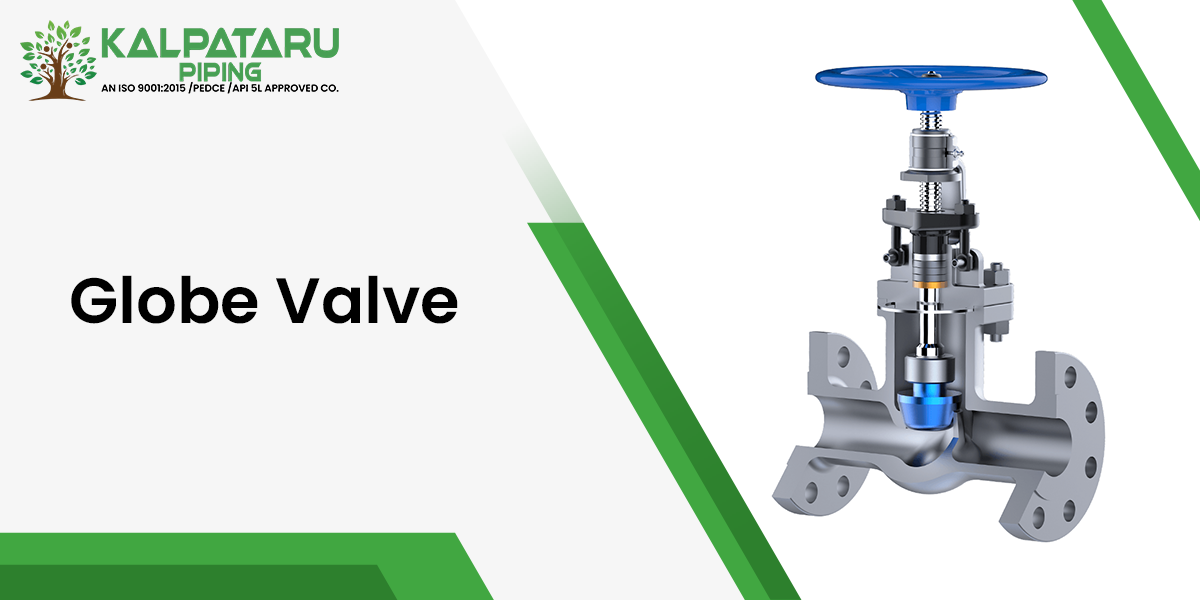
When a line needs to be regulated, not just opened and closed, a globe valve is usually the right call. Its linear-motion disc lifts off and seats back down against a ring seat, so you can throttle flow smoothly and still get a tight shut-off. That is why globe valves sit on steam lines, boiler feed water, fuel oil, condensate and chemical dosing circuits in almost every process plant.
At Kalpataru Piping Solution, we manufacture, stock and export globe valves for refineries, power stations, pharmaceutical units, fertiliser plants and water treatment works. Our range covers cast steel and forged steel globe valves, stainless steel globe valves, angle and Y-pattern designs, bellow seal valves, SDNR (screw down non-return) valves and special-alloy versions. Each valve is pressure tested and supplied with traceable material certificates.
Tell us your size, class, media and temperature and our engineers will recommend the right pattern, trim and bonnet. You can also browse our complete globe valves range or send an enquiry today.
What Is a Globe Valve?
A globe valve is a linear-motion valve used to start, stop and regulate the flow of liquids, gases and steam. The name comes from the rounded (globe-like) body of the classic design. Inside, a movable disc or plug travels up and down, perpendicular to a fixed seat, which controls the opening between them.
Quick answer (featured-snippet style): A globe valve is a quarter-inch to multi-inch pipeline valve with a movable disc and stationary ring seat, used for throttling and tight shut-off in steam, water, oil and chemical lines.
How Does a Globe Valve Work?
- Turn the handwheel anticlockwise. The stem rises and lifts the disc away from the seat.
- Flow passes through the seat opening. The fluid follows an S-shaped path. The further the disc lifts, the greater the flow.
- Turn the handwheel clockwise. The disc moves down onto the seat and flow stops.
- Stop partway. Because the gap changes in small steps, you can hold any flow rate you need. That is the throttling advantage over gate and ball valves.
Main Parts of a Globe Valve
| Part | Role |
|---|---|
| Body | Pressure-containing shell with inlet and outlet ports and an internal seat |
| Seat ring | The fixed sealing surface; renewable or integral, often hardfaced |
| Disc / plug | Moving element that closes against the seat; plug, conical, ball or composition type |
| Stem | Transfers handwheel motion to the disc |
| Bonnet | Covers the body opening; bolted, union, welded, pressure seal or bellow seal |
| Packing & gland | Seals the stem against leakage to atmosphere (PTFE, graphite) |
| Yoke & handwheel | Support the stem nut and provide manual operation |
Globe Valve Grades
Technical Data
Globe Valve Types by Body Pattern
| Pattern | How It Works | Strength | Common Use |
| Tee / Z-type | Straight-through body, seat horizontal, flow takes an S turn | Simple, best throttling control | General steam, water, oil |
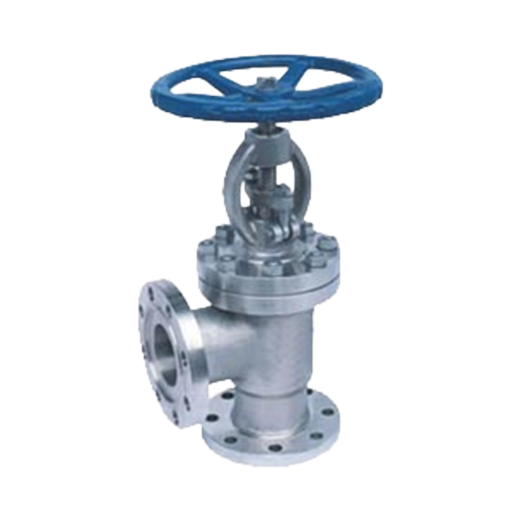
| Angle | Inlet and outlet at 90° | Lower pressure drop, saves one elbow | Heat exchangers, pump discharge, drains |
| Y-pattern (Wye) | Stem and seat at about 45° to the pipe | Lowest pressure drop, less erosion | High-pressure steam, power plants |
| Needle / globe-type regulating | Fine tapered plug | Very fine flow control | Instrumentation, sampling. See needle valves |
See our dedicated angle type globe valves page for more.
Globe Valve Types by Construction and Duty
| Type | Description | Typical Service |
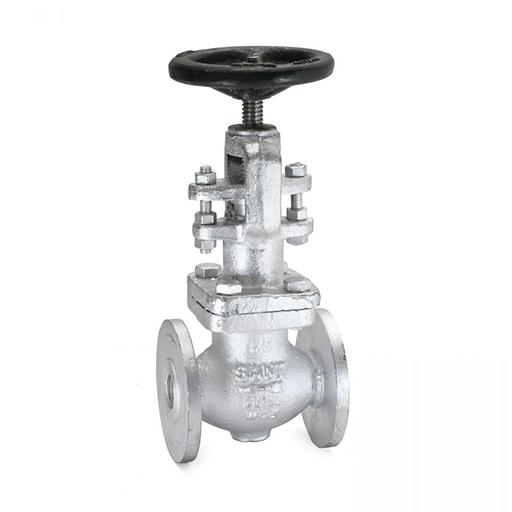
| Cast steel globe valve | Bolted bonnet, flanged or butt weld, 2″ to 24″ | Plant headers. See cast steel globe valves |
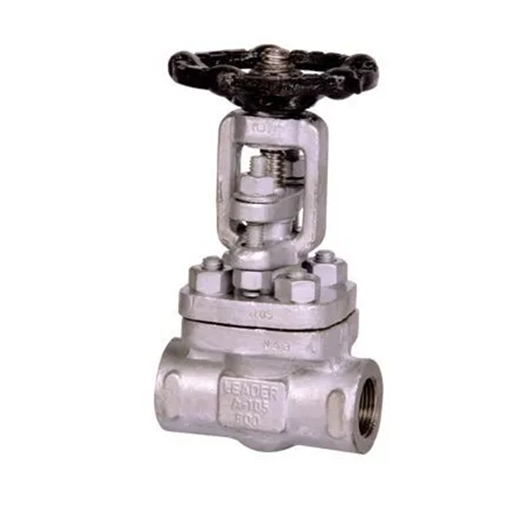
| Forged steel globe valve | Compact body, ½” to 2″, Class 800 / 1500 / 2500 | Small-bore high pressure. See forged globe valves |
| Stainless steel globe valve | CF8 / CF8M / CF3M cast or F304 / F316 forged | Corrosive and hygienic service. See stainless steel valves |
| Bellow seal globe valve | Metal bellows seals the stem, zero stem leakage | Toxic, hazardous or costly fluids [confirm in-house range] |
| Pressure seal globe valve | Bonnet seal tightens as pressure rises | Class 900 and above, power plant steam [confirm] |
| Cryogenic globe valve | Extended bonnet keeps packing warm | LNG, liquid gases [confirm] |
| SDNR (screw down non-return) valve | Globe-type body, disc acts as non-return when not screwed down | Boiler feed, steam headers |
| Cast iron / brass / bronze / gunmetal globe valve | Low-pressure threaded or flanged | Water, air, plumbing, utility lines |
| Pneumatic / electric / motorised globe valve | Actuator-driven stem | Automated flow control |
| Globe control valve | Cage-guided or single / double seated plug with actuator | Process control loops [confirm in-house range] |
Globe Valve Specifications
| Parameter | Specification |
| Size range | ½” to 24″ (DN 15 to DN 600); larger on request |
| Pressure class | Class 150, 300, 600, 800, 900, 1500, 2500 | PN 10, 16, 25, 40, 63, 100 |
| Body patterns | Tee, angle, Y-pattern |
| Design standards | BS 1873, API 623 (cast / forged steel flanged and butt weld), API 602 (compact forged ≤ NPS 4), DIN 3356, BS 5152 (cast iron) |
| Pressure-temperature rating | ASME B16.34 |
| Face to face | ASME B16.10 |
| End connections | Flanged RF / RTJ (ASME B16.5), butt weld (ASME B16.25), socket weld, threaded NPT / BSP |
| Bonnet types | Bolted, union, welded, pressure seal, bellow seal |
| Disc types | Plug, conical, ball, soft seat, composition |
| Operation | Handwheel, gear, pneumatic, electric, hydraulic, chain wheel |
| Testing | API 598 / EN 12266: shell, back seat, seat |
| Fire safe / emissions | API 607 / ISO 15848 on request |
| Inspection & documents | EN 10204 3.1 / 3.2, third-party inspection available. IBR certification on request [confirm] |
Globe Valve Body Materials
| Material Group | Grades | Typical Service |
| Carbon steel | ASTM A216 WCB, A105 (forged), LCB / LCC (low temp) | Steam, water, oil, general plant |
| Alloy steel | A217 WC6, WC9, C5, C12; F11, F22 forged | High-temperature steam |
| Stainless steel | A351 CF8, CF8M, CF3, CF3M; F304 / F316 forged | Corrosive and clean service |
| Duplex / super duplex | A890 / A995 grades | Seawater, chloride service. See duplex steel valves |
| Nickel and special alloys | Monel, Inconel, Hastelloy, Alloy 20, titanium | Severe acids and high temperature |
| Cast iron, brass, bronze, gunmetal | BS 5152, IS / BS bronze grades | Low-pressure water, air, plumbing |
Trim Options (Seat, Disc and Stem)
| Trim | Typical Use |
| 13Cr (410) trim | General steam, oil, water |
| 13Cr with Stellite-hardfaced seat and disc | Erosive, high-temperature steam |
| 316 stainless trim | Corrosive media |
| 316 with Stellite hardfacing | Corrosive plus abrasive service |
| Monel, alloy and PTFE / soft seat | Chemical and zero-leakage service |
Where Globe Valves Are Used
| Industry | Typical Application |
| Power & boilers | Main steam, boiler feed water, blowdown, SDNR valves |
| Oil & gas / refineries | Fuel oil, hydrocarbon throttling, sample lines |
| Chemical & petrochemical | Corrosive dosing, solvent transfer |
| Pharmaceutical & food | Clean steam, process liquids |
| Water & wastewater | Flow regulation, bypass and drain lines |
| Refrigeration & ammonia | Evaporator and liquid line isolation |
| Marine & shipbuilding | Bilge, fuel and cooling water |
| Steam systems | Header isolation, condensate pots, traps and bypass lines |
Globe Valve vs Gate Valve vs Ball Valve vs Check Valve
Factor | Globe Valve | Gate Valve | Ball Valve | Check Valve |
Main job | Throttling + shut-off | Full on / off | Quick on / off | Stops backflow |
Motion | Linear (multi-turn) | Linear (multi-turn) | Quarter turn | Self-acting |
Flow control | Excellent | Poor | Fair | None |
Pressure drop | Higher | Very low | Very low (full port) | Low to medium |
Shut-off tightness | Very good | Good | Excellent | Fair |
Operating speed | Medium | Slow | Fast | Automatic |
Seat repair in line | Easy | Moderate | Harder | Moderate |
See also our gate valves, forged gate valves, cast steel gate valves and check valves.
Cast Steel vs Forged Steel Globe Valves
Factor | Cast Steel | Forged Steel |
Typical size | 2″ to 24″ | ½” to 2″ |
Pressure class | 150 to 2500 | 800 to 2500 |
Standard | BS 1873 / API 623 | API 602 / API 623 |
Best for | Large plant piping | Compact, high-pressure small-bore lines |
Ends | Flanged, butt weld | Socket weld, threaded, flanged |
What Is an SDNR Valve?
SDNR stands for screw down non-return valve, also called a stop-check valve. It looks like a globe valve, but the disc is not fixed to the stem. With the stem lifted, the disc floats and acts as a check valve, closing on reverse flow. With the stem screwed down, it works as a positive shut-off. This is why SDNR valves are standard on boiler feed lines and steam outlets. Browse our check valves for related products.
6 Steps to Choose a Globe Valve
- Define the service. Fluid, phase (liquid, gas, steam), and whether it is corrosive, erosive or toxic.
- Match size and class. Check design pressure and temperature against the ASME B16.34 rating, and choose size to suit the line and required flow (Cv).
- Pick body material. WCB for general service, WC6 / WC9 for high-temperature steam, CF8M for corrosion, alloys for severe chemicals.
- Choose pattern. Tee for general throttling, angle where the pipe turns, Y-pattern for low pressure drop at high pressure.
- Select trim and bonnet. Hardfaced trim for erosion, bellow seal for zero stem leakage, pressure seal above Class 900.
- Decide operation. Handwheel, gear for large sizes, or pneumatic / electric actuator for remote control.
Installation tip: fit the valve so flow direction matches the arrow on the body. For most steam and general service, flow comes in under the disc. Keep the stem upright where possible and re-lap seats during scheduled shutdowns.
How We Build and Test Every Globe Valve
- Material control. Castings and forgings from approved foundries and mills, checked with positive material identification (PMI).
- Machining. CNC machining of body, seat ring, stem and disc for accurate fit.
- Hardfacing. Stellite or other overlays applied where erosion is expected.
- Assembly. Packing, gaskets and bonnet fitted to the specified torque.
- Testing. Shell and seat tests per API 598 / EN 12266, with air or hydrostatic media as specified.
- Final inspection and packing. Dimensional, visual and document check, then export-grade packing with size and grade marking.
Documents supplied: Material Test Certificate (EN 10204 3.1 / 3.2), pressure test report, [Certificate of Conformity], heat number traceability.
Standards & Certifications
| Area | Standards |
|---|---|
| Design | BS 1873, API 623, API 602, DIN 3356, BS 5152 |
| Rating | ASME B16.34 |
| Dimensions | ASME B16.10, B16.5, B16.25 |
| Testing | API 598, EN 12266 |
| Fire safe and emissions | API 607, ISO 15848 (on request) |
| Materials | ASTM A216, A217, A351, A105, A182, A352 |
| Quality system | [ISO 9001:2015 – confirm] |
| Boiler | IBR certification on request [confirm] |
Why Buy From Kalpataru Piping Solution
- Complete valve range. Globe, gate, ball, check and needle valves from one supplier, plus pipe fittings and steel flanges to match.
- Material depth. From WCB carbon steel to Monel, Inconel and titanium, so you do not need a second vendor for special alloys.
- Straight advice. If a globe valve is wrong for your duty, we say so.
- Export-ready. Correct documents, marking and packing for overseas projects.
- Clear quotes. Itemised price, lead time and test documents stated upfront.
Learn more about us or view the full valves range.
How to Order
| Step | You Send | We Do |
|---|---|---|
| 1 | Size, class, end connection, media, temperature | Review the duty |
| 2 | Quantity, standard, material | Recommend pattern, trim and bonnet |
| 3 | Inspection and documents needed | Send priced quote with lead time |
| 4 | Purchase order | Manufacture, test, inspect |
| 5 | Delivery address | Pack and dispatch with certificates |
FAQs - Titanium Needle Valve
A titanium needle valve is a precision throttling and shut-off valve using a tapered needle-point stem to control flow through a small orifice. Choose titanium when your process involves seawater, chlorides, oxidising acids, chlorine gas, or any media that causes stress corrosion cracking in standard stainless steel. Titanium is also the right choice when biocompatibility, non-magnetic construction, or weight savings are engineering requirements.
A gate valve is meant to be fully open or fully closed and gives very little pressure drop. A globe valve can hold partial openings for flow control, but its S-shaped path causes more pressure loss.
By body pattern: tee (Z-type), angle and Y-pattern. By construction: cast steel, forged steel, bellow seal, pressure seal, cryogenic and SDNR. By operation: manual, gear, pneumatic, electric and motorised.
BS 1873 covers steel globe and stop-check valves with flanged and butt weld ends. API 623 covers steel globe valves of similar scope and is common in oil and gas projects. API 602 covers compact forged valves up to NPS 4. We supply to all three.
Need Globe Valves for Your Plant? Send Us Your Specs.
Share size, class, media and temperature. Our engineers will recommend the right valve and send a priced quote, usually within 24 hours.
Get a Free Quote in 24 HoursHave Any Questions ?
Please feel free to contact us. We will get back to you with 2 business days. Or just call us now.