
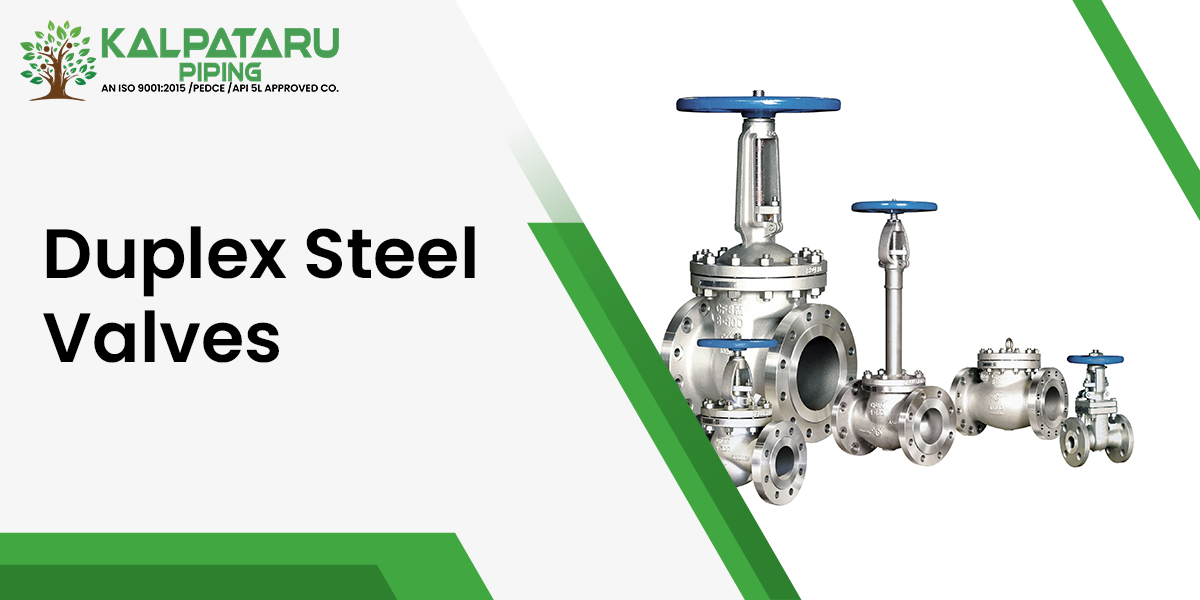
Where standard austenitic stainless steel valves fail in seawater systems, chloride-laden process streams, and high-pressure corrosive service duplex steel valves hold their integrity. By combining a ferritic-austenitic two-phase microstructure, duplex and super duplex alloys deliver approximately twice the yield strength of SS 316L alongside dramatically superior resistance to chloride stress corrosion cracking, pitting, and crevice corrosion. At Kalpataru Piping Solution, we supply the complete range of duplex stainless steel valves in Grade S31803 (Duplex 2205) and super duplex valves in Grade S32750 / S32760 (Super Duplex 2507 / Zeron 100) ball valves, gate valves, globe valves, needle valves, check valves, butterfly valves, and knife gate valves in sizes from ⅛” NB instrumentation to DN600 flanged process valves, pressure classes 150# to 1500#, manufactured to ASTM A890, ASTM A351, ASTM A494, API 600, and ASME B16.34. NACE MR0175 compliance, EN 10204 3.1 MTC, and same-day quoting as standard.
What are Duplex Steel Valves?
Duplex stainless steel is a two-phase alloy with a microstructure that is roughly 50% austenite and 50% ferrite combining the high strength of ferritic stainless steel with the corrosion resistance and toughness of austenitic stainless steel. This balanced microstructure is what gives duplex steel valves their defining advantage: approximately twice the yield strength of SS 316L (minimum 450 MPa vs 170 MPa for SS 316L), which allows the use of thinner-walled, lighter valve bodies while still meeting pressure ratings — reducing weight, cost, and material usage in high-pressure installations.
Materials Grades of Duplex Steel Valves
Why Duplex Steel Valves Are Specified Instead of SS 316L
| Property | Duplex 2205 (S31803) | Super Duplex 2507 (S32750) | SS 316L (for comparison) |
|---|---|---|---|
| Yield Strength | 450 MPa min | 550 MPa min | 170 MPa min |
| Tensile Strength | 620 MPa min | 800 MPa min | 485 MPa min |
| PREN (Pitting Resistance) | ~34–36 | ~41–43 | ~24 |
| Chloride Stress Corrosion Cracking (SCC) | Highly resistant | Highly resistant | Susceptible above 60°C |
| Cost vs SS 316L | Moderate premium | Higher premium | Baseline |
| Typical Application | Seawater, mild chloride service | Hot seawater, aggressive brines | General chemical service |
Technical Data
Duplex 2205 vs Super Duplex 2507 – Which Grade Do You Need?
The two dominant grades in the duplex family for valve applications are Duplex 2205 (S31803 / S32205) and Super Duplex 2507 (S32750). They share the two-phase microstructure but differ significantly in alloying content, strength, and corrosion resistance.
| Property | Duplex 2205 (UNS S31803 / S32205) | Super Duplex 2507 (UNS S32750) | Zeron 100 (UNS S32760) |
|---|---|---|---|
| Chromium (Cr) | 21–23% | 24–26% | 24–26% |
| Nickel (Ni) | 4.5–6.5% | 6–8% | 6–8% |
| Molybdenum (Mo) | 2.5–3.5% | 3–5% | 3–4% |
| Nitrogen (N) | 0.08–0.20% | 0.24–0.32% | 0.20–0.30% |
| Tungsten (W) | — | — | 0.5–1% |
| PREN | 34–36 | 41–43 | 40–42 |
| Yield Strength (min) | 450 MPa | 550 MPa | 550 MPa |
| Tensile Strength (min) | 620 MPa | 800 MPa | 750 MPa |
| Elongation (min) | 25% | 15% | 15% |
| Hardness (max) | 31 HRC / 310 HB | 32 HRC / 310 HB | 30 HRC |
| ASTM Casting Grade | A890 Gr 4A / A351 CD4MCu | A890 Gr 5A | A890 Gr 6A |
| ASTM Forging Grade | A182 F51 | A182 F53 | A182 F55 |
| Seawater Resistance | Good (ambient and mild) | Excellent (hot seawater, deep offshore) | Excellent |
| Chloride SCC | Highly resistant | Highly resistant | Highly resistant |
| Cost vs Duplex 2205 | Baseline | ~30–50% higher | ~35–55% higher |
| Relative Cost vs SS 316L | Moderate premium | Higher premium | Higher premium |
When to Specify Duplex 2205 (S31803 / S32205)
- General seawater service at ambient temperature
- Pulp and paper bleaching and washing systems
- Chemical process lines with moderate chloride concentration
- Offshore platform topside piping where cost optimisation is important
- Desalination pre-treatment systems
- Oil and gas process lines in non-sour service
When to Specify Super Duplex 2507 (S32750) or Zeron 100 (S32760)
- Hot seawater service (above ~50°C) where Duplex 2205 would pit
- Deepwater subsea equipment subject to high pressures and seawater exposure
- Highly concentrated chloride brines (evaporators, flash vessels)
- Sour service (H₂S + chloride) where NACE MR0175 compliance at higher PREN is required
- Hypochlorite and chlorine dioxide service (higher Mo needed)
- High-pressure gas processing where both strength and corrosion resistance are critical
Duplex Steel Valve Specification
| Parameter | Details |
|---|---|
| Material of Construction (MOC) | Duplex S31803 / S32205 (Grades 2205); Super Duplex S32750 / S32760 (Grades 2507 / Zeron 100) |
| Casting Standard | ASTM A351 CD4MCu / ASTM A890 Gr 4A (Duplex); ASTM A890 Gr 5A / 6A (Super Duplex); ASME SA351 / SA890 |
| Forging Standard | ASTM A182 F51 (S31803); A182 F53 (S32750); A182 F55 (S32760) |
| Bar Stock Standard | ASTM A276 / A479 UNS S31803 / S32750 |
| Design Standard | API 600, API 6D, BS 1414, ASME B16.34 |
| Dimensional Standard | ASME B16.10, ASME B16.5, ASME B16.25 |
| Test & Inspection | API 598, BS EN 12266-1, MSS SP-61 |
| Size Range (Process) | DN50 (2″) to DN600 (24″); flanged and buttweld types |
| Size Range (Instrumentation) | ⅛” to 1″ (needle, ball, manifold); up to 4″ (ball valve) |
| Pressure Class | 150#, 300#, 600#, 800#, 900#, 1500# |
| Working Pressure (Instrumentation) | Up to 6000 PSIG |
| End Connection | RF Flanged, RTJ Flanged, Buttweld (BW), Socket Weld (SW), Threaded NPT/BSPT, Victaulic, Dual Ferrule Tube |
| Operation | Hand Wheel, Gear Operated, Electric Actuator, Hydraulic Actuator, Pneumatic Actuator |
| Temperature Rating | –50°C to +300°C (Grafoil packing); –54°C to +232°C (PTFE packing) |
| Seat / Seal Material | PTFE, Grafoil, PEEK, PPL, Metal-to-metal |
| NACE MR0175 Compliance | Available — sour gas (H₂S) service |
| Valve Types | Ball, Gate, Globe, Needle, Check, Butterfly, Knife Gate |
| Material Test Certificate | EN 10204 Type 3.1 (standard); Type 3.2 with TPI (on request) |
Duplex Steel Valve Type Matrix
| Valve Type | Duplex Grade | Size Range | Pressure Class | End Connection |
|---|---|---|---|---|
| Ball Valve | S31803, S32750 | ⅛” – 12″ | 150# – 2500# | SW, BW, Flanged, Threaded |
| Gate Valve (Forged) | S31803, S32750 | ½” – 4″ | 800# – 2500# | SW, Threaded |
| Gate Valve (Cast) | S31803, S32750 | 2″ – 24″ | 150# – 600# | Flanged (RF, RTJ) |
| Globe Valve | S31803, S32750 | ½” – 12″ | 150# – 900# | Flanged, SW |
| Needle Valve | S31803, S32750 | ⅛” – 2″ | Up to 6000 PSIG | NPT, SW, Tube |
| Check Valve | S31803, S32750 | ½” – 24″ | 150# – 900# | Flanged, Wafer |
| Butterfly Valve | S31803, S32750 | 2″ – 24″ | 150# – 300# | Wafer, Lug, Flanged |
| Knife Gate Valve | S31803, S32750 | 2″ – 24″ | 150# – 300# | Flanged, Wafer |
| Manifold Valve | S31803, S32750 | ⅛” – 1″ | Up to 6000 PSIG | NPT, SW, Tube |
Chemical Composition of Duplex Steel Valve Grades
Wrought / Forged Grades (ASTM A182)
| Grade | UNS | C (max) | Cr | Ni | Mo | N | Others |
|---|---|---|---|---|---|---|---|
| Duplex 2205 | S31803 | 0.030 | 21.0–23.0 | 4.5–6.5 | 2.5–3.5 | 0.08–0.20 | — |
| Duplex 2205 (revised) | S32205 | 0.030 | 22.0–23.0 | 4.5–6.5 | 3.0–3.5 | 0.14–0.20 | — |
| Super Duplex 2507 | S32750 | 0.030 | 24.0–26.0 | 6.0–8.0 | 3.0–5.0 | 0.24–0.32 | Cu ≤ 0.5 |
| Zeron 100 | S32760 | 0.030 | 24.0–26.0 | 6.0–8.0 | 3.0–4.0 | 0.20–0.30 | W 0.5–1.0, Cu 0.5–1.0 |
Cast Grades (ASTM A890 / A351) — Valve Body Castings
| ASTM Grade | Common Name | UNS | C (max) | Cr | Ni | Mo | N |
|---|---|---|---|---|---|---|---|
| A890 Gr 4A | Duplex 2205 | S31803 | 0.030 | 21.0–23.0 | 4.5–6.5 | 2.5–3.5 | 0.10–0.30 |
| A351 CD4MCu | Duplex (older grade) | S32900 type | 0.040 | 24.5–26.5 | 4.75–6.0 | 1.75–2.25 | — |
| A890 Gr 5A | Super Duplex 2507 | S32750 | 0.030 | 24.0–26.0 | 6.0–8.0 | 3.0–5.0 | 0.24–0.32 |
| A890 Gr 6A | Zeron 100 | S32760 | 0.030 | 24.0–26.0 | 6.0–8.0 | 3.0–4.0 | 0.20–0.30 |
Key Elements and Their Role
- Chromium (Cr): Builds the passive film; higher Cr = better general and pitting corrosion resistance
- Nickel (Ni): Stabilises the austenite phase; provides toughness and ductility
- Molybdenum (Mo): Critical for pitting resistance; contributes 3.3× its weight % to PREN
- Nitrogen (N): Strengthens austenite phase; contributes 16× its weight % to PREN; prevents sigma phase formation
- Tungsten (W) / Copper (Cu) in Zeron 100: Additional corrosion resistance contributions in specific acid environments
Mechanical Properties & Physical Properties
Mechanical Properties — Duplex & Super Duplex Valve Grades (ASTM A182 / A890)
| Grade | UNS | Yield Strength Min (MPa) | Tensile Strength Min (MPa) | Elongation Min (%) | Hardness Max (HRC) | Hardness Max (HB) |
|---|---|---|---|---|---|---|
| Duplex 2205 (forged) | S31803 | 450 | 620 | 25 | 31 | 293 |
| Duplex 2205 (cast A890 4A) | S31803 | 485 | 690 | 16 | 31 | 310 |
| Super Duplex 2507 (forged) | S32750 | 550 | 800 | 15 | 32 | 310 |
| Super Duplex 2507 (cast A890 5A) | S32750 | 550 | 760 | 15 | 32 | 310 |
| Zeron 100 (cast A890 6A) | S32760 | 550 | 750 | 15 | 30 | 290 |
| SS 316L (for comparison) | S31603 | 170 | 485 | 30 | — | 217 |
Duplex Steel Valves Physical Properties
| Property | Duplex 2205 (S31803) | Super Duplex 2507 (S32750) |
|---|---|---|
| Density (g/cm³) | 7.80 | 7.84 |
| Melting Point (°C) | 1350–1390 | 1350–1390 |
| Thermal Conductivity (W/m·K) | 19 (at 100°C) | 14 (at 100°C) |
| Thermal Expansion Coeff (×10⁻⁶/°C) | 13.0 | 13.0 |
| Electrical Resistivity (µΩ·m) | 0.80 | 0.82 |
| Magnetic Permeability | Weakly magnetic (ferritic phase) | Weakly magnetic |
| Max Continuous Service Temp (°C) | 300°C | 300°C |
| Min Service Temp (°C) | –50°C (impact toughness acceptable) | –50°C |
PREN Comparison — Why It Matters for Valve Specification
| Grade | PREN Formula Value | Seawater Service Rating |
|---|---|---|
| SS 304 (CF8) | ~20 | Not suitable for seawater |
| SS 316L (CF3M) | ~24 | Suitable at ambient, limited |
| Duplex 2205 (S31803) | ~35 | Suitable for most seawater service |
| Super Duplex 2507 (S32750) | ~42 | Suitable for hot seawater, brines |
| Alloy 625 (Inconel) | ~51 | All seawater conditions |
Industrial Applications of Duplex Steel Valves
Duplex steel valves are the first choice for any application that combines chloride exposure with mechanical stress — the two conditions that cause stress corrosion cracking (SCC) in conventional austenitic stainless steel. Kalpataru Piping Solution supplies to the following industries:
| Industry | Application | Why Duplex | Recommended Grade |
|---|---|---|---|
| Oil & Gas Offshore | Platform seawater cooling, firewater, topside process isolation | High chloride, fatigue loading, weight-sensitive structures | Duplex 2205 (S31803); Super Duplex 2507 offshore |
| Petrochemical & Refining | Crude oil processing, hydrocarbon service with chloride | HCl-containing crude; strength for high-pressure headers | Duplex 2205 |
| Desalination | Multi-stage flash (MSF), RO systems, brine discharge | Hot concentrated chloride brine; PREN >40 needed | Super Duplex 2507 (S32750) |
| Marine & Shipbuilding | Seawater service valves, ballast, bilge, cooling | Direct seawater contact; corrosion and biofouling resistance | Duplex 2205 or Super Duplex 2507 |
| Chemical Processing | HCl, HF, organic acids, chlorinated solvents | Pitting resistance in aggressive halide service | Super Duplex 2507 or 2205 |
| Pulp & Paper | Bleaching with chlorine dioxide, washing circuits | High chloride + stress; SCC risk with SS 316L | Duplex 2205 |
| Power Generation | Flue gas desulphurisation (FGD), cooling water, seawater condensers | Wet chloride SO₂ environments where SS fails | Duplex 2205 |
| Water Treatment | Seawater injection, produced water handling, water injection pumps | Combined chloride + H₂S in offshore water injection | Super Duplex 2507 with NACE MR0175 |
| Mining & Metallurgy | Process slurries, acidic mine drainage, flotation circuits | Erosion-corrosion resistance; strength for high-pressure slurry | Duplex 2205 |
| Sugar, Distillery, Pharma | Evaporation, concentration, process vessels | Chloride CIP media in food-grade service | Duplex 2205 |
Applications by Valve Type
- Duplex Ball Valves: On/off isolation on seawater lines, produced water headers, offshore process piping, desalination brine
- Duplex Gate Valves: Main line isolation on high-pressure offshore headers, water injection lines, subsea wellhead equipment
- Duplex Globe Valves: Throttling and control on chemical process lines, desalination flow control, FGD systems
- Duplex Needle Valves: Instrument isolation on offshore platforms, seawater sampling, chloride-containing analyser lines
- Duplex Check Valves: Pump discharge protection on seawater cooling, water injection, and desalination high-pressure pump outlets
- Duplex Butterfly Valves: High-flow seawater cooling water headers, ballast lines, large-bore desalination process lines
- Duplex Knife Gate Valves: Abrasive slurry service in mining and pulp and paper plants with chloride-containing media
Quality Testing & Certifications
| Test | Standard | Purpose |
|---|---|---|
| Chemical Analysis | ASTM A751 / OES | Grade identity — Cr, Ni, Mo, N, C all verified per heat |
| Tensile & Yield Testing | ASTM A370 | Mechanical property compliance per A182 / A890 |
| Hardness Testing | ASTM E18 / E10 | Phase balance verification; sigma phase detection |
| Ferrite Content Test | ASTM E562 / Feritscope | Confirms 40–60% ferrite content — outside this range = phase imbalance |
| Impact Testing | ASTM A370 (Charpy) | Low-temperature toughness confirmation (for cryogenic or cold-climate service) |
| Pitting Resistance Test | ASTM G48 Method A or C | Critical for duplex grades — confirms actual PREN translates to pitting resistance |
| IGC (Intergranular Corrosion) | ASTM A923 Method B or C | Detects deleterious intermetallic phases (sigma, chi) from improper heat treatment |
| Hydrostatic Shell Test | API 598 | Body and bonnet integrity at 1.5× rated pressure |
| Seat Leakage Test | API 598 | Zero leakage (Class VI soft seat) / rated leakage (hard seat) |
| PMI (Positive Material ID) | XRF Gun | Grade confirmation at final inspection — prevents grade substitution |
| Radiographic Testing | ASME Section V | Internal weld and casting defect detection |
| NACE Hardness Compliance | NACE MR0175 | Maximum hardness ≤ 36 HRC for sour service eligibility |
| Dimensional Inspection | ASME B16.34 / API 600 | Face-to-face, bore, port, flange, end connections |
Why Ferrite Content Testing Matters for Duplex Valves
Duplex stainless steel must maintain a ferrite content of approximately 40–60% to achieve its design properties. Over- or under-annealing during manufacturing shifts this balance:
- Too much ferrite (> 65–70%): Reduced toughness and increased sensitisation risk
- Too little ferrite (< 35%): Loss of the SCC resistance advantage over austenitic grades; PREN drops
Ferrite content is verified by Feritscope measurement on every heat-treated batch before dispatch.
Certifications
- ASTM A890 / A351 / A494 — Material standard for duplex cast valve bodies
- ASTM A182 — Forged duplex valve components
- API 600 — Gate valve design
- ASME B16.34 — Valve pressure-temperature rating
- API 598 — Valve inspection and test
- NACE MR0175 / ISO 15156 — Sour service material compliance (hardness and composition)
- ASTM A923 — Standard test for detecting deleterious phases in duplex stainless steel
- EN 10204 Type 3.1 — Mill test certificate (all heats)
- EN 10204 Type 3.2 — With client-nominated TPI countersignature on request
Complete Duplex Steel Product Range at Kalpataru
| Product | Duplex S31803 / S32205 | Super Duplex S32750 / S32760 |
|---|---|---|
| Ball Valve | Duplex Ball Valve | Super Duplex Ball Valve |
| Needle Valve | Duplex Needle Valve | Super Duplex Needle Valve |
| Manifold Valve | Duplex Manifold Valve | Super Duplex Manifold Valve |
| Pipe Fittings | Duplex Pipe Fittings | Super Duplex Pipe Fittings |
| Flanges | Duplex Steel Flanges | Super Duplex Flanges |
| Tubes | Duplex Steel Tubes | Super Duplex Tubes |
| Tube Fittings | Duplex Tube Fittings | Super Duplex Tube Fittings |
Types of Duplex Steel Valves
Kalpataru Piping Solution supplies the complete range of duplex and super duplex steel valves across all standard types. All are available in UNS S31803 (Duplex 2205) and UNS S32750 (Super Duplex 2507) unless noted.
Duplex Steel Ball Valve
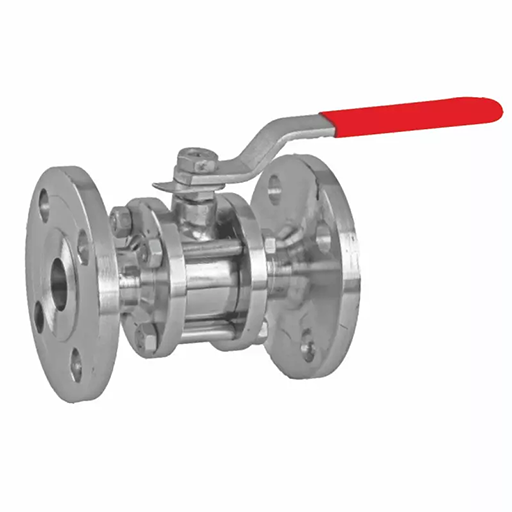
The duplex ball valve and duplex stainless steel ball valve provide quarter-turn full-bore isolation in high-chloride process piping where SS 316 ball valves would suffer pitting corrosion. Available in 2-piece, 3-piece, and 3-way configurations; socket weld, threaded, and flanged end connections; up to 6000 PSIG for instrumentation types.
Duplex S31803/S32205 Ball Valve | Super Duplex S32750/S32760 Ball Valve
Duplex Steel Gate Valve
Duplex gate valves provide full-bore bidirectional isolation in high-pressure seawater, chemical, and desalination piping systems. Available as forged (small bore, high pressure) and cast (large bore, flanged) types. ASTM A890 Gr 4A body for duplex; Gr 5A for super duplex. Design standard API 600.
Type: Forged, Cast; Rising stem / Non-rising stem; Handwheel, Gear, or Actuated.
Duplex Steel Globe Valve
Duplex globe valves offer precise throttling and flow control in corrosive high-pressure service. The two-phase microstructure of duplex steel provides superior erosion resistance compared to SS 316L — important in globe valve applications where the disc and seat see repeated high-velocity flow.
Duplex Steel Needle Valve
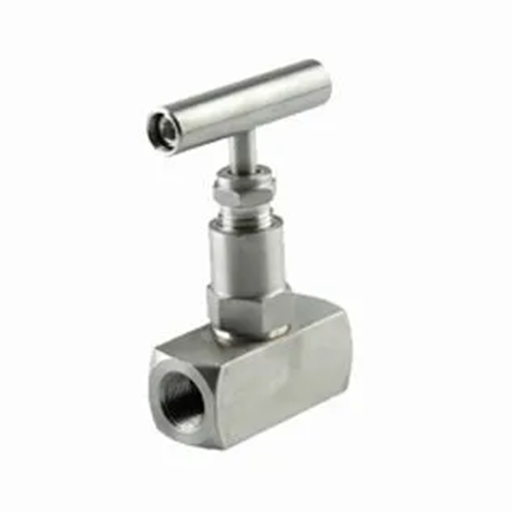
The duplex needle valve and super duplex needle valve are specified for instrument isolation and fine-throttling in offshore, seawater, and high-chloride process connections. Available in S31803 and S32750; NPT, BSPT, socket weld, and dual ferrule tube end connections; up to 6000 PSIG.
Duplex S31803/S32205 Needle Valve | Super Duplex S32750/S32760 Needle Valve
Duplex Steel Check Valve (Non-Return Valve)
Duplex check valves prevent backflow in seawater cooling, desalination, and offshore process piping. Available as swing check (flanged, large bore) and spring-loaded piston check (small bore) types. ASTM A890 Gr 4A cast body for duplex grade.
Duplex Steel Butterfly Valve
Duplex butterfly valves provide compact high-flow isolation and throttling in large-bore seawater, brine, and chemical process lines. Wafer and lug types. Disc: duplex SS; seat: EPDM, NBR, PTFE, or metal-seated for high temperature. Size DN50 to DN600.
Duplex Steel Knife Gate Valve
Duplex knife gate valves are specified for abrasive slurry, pulp, and fibrous fluid services in chloride-containing environments — paper mills, desalination brine slurries, and mining process streams. The knife-edge gate cuts through the media for tight shutoff even with suspended solids.
Duplex Steel Manifold Valve
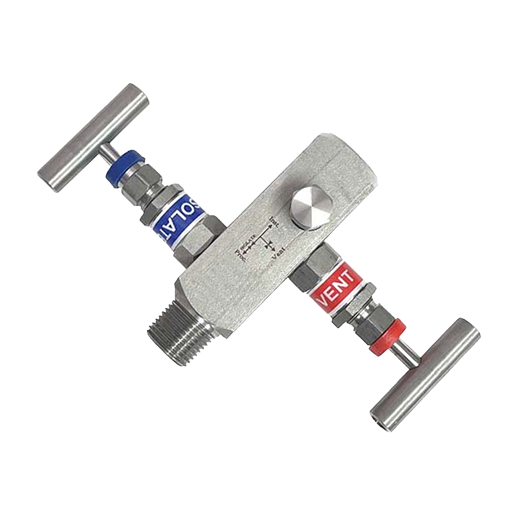
Duplex and super duplex manifold valves (2-way, 3-way, 5-way) isolate differential pressure instruments in offshore and seawater chemical service. ASTM A182 F51 (duplex) or F53 (super duplex) forged body; up to 6000 PSIG.
Duplex S31803/S32205 Manifold Valve | Super Duplex S32750/S32760 Manifold Valve
Frequently Asked Questions – Duplex Steel Valves
Duplex steel valves are pressure-rated flow-control devices with bodies manufactured from duplex or super duplex stainless steel — a two-phase ferritic-austenitic alloy. They are used in seawater, chloride-bearing process, desalination, and offshore environments where standard austenitic stainless steel (SS 316L) fails by pitting corrosion, crevice corrosion, or chloride stress corrosion cracking. Duplex valves offer approximately twice the yield strength of SS 316L and significantly higher resistance to chloride attack.
ASTM A890 Grade 4A (UNS S31803) is the standard cast material specification for Duplex 2205 valve bodies. It is the cast equivalent of wrought UNS S31803, used for gate valve, globe valve, check valve, and ball valve bodies in sizes requiring casting (typically 2″ NB and above). It is equivalent to ASME SA890 Grade 4A for pressure vessel and piping applications.
ASTM A890 Grade 5A (UNS S32750) is the standard cast material specification for Super Duplex 2507 valve bodies. It has higher chromium, molybdenum, and nitrogen content than Grade 4A, giving it a PREN above 40 for seawater and aggressive brine service. The ASME equivalent is SA890 Grade 5A.
Duplex steel valves are available from ⅛” NB (instrumentation needle and ball valves) up to DN600 (24″ NB) for large-bore flanged process valves. Standard pressure classes are 150#, 300#, 600#, 800#, 900#, and 1500#. Instrumentation types (needle, manifold) are rated up to 6000 PSIG.
Both are two-phase ferritic-austenitic alloys, but super duplex has higher chromium, molybdenum, and nitrogen content, giving it a higher PREN (>40 vs ~35), higher strength, and better resistance in hot seawater and concentrated brine. Super duplex is more expensive than duplex and is specified only when Duplex 2205 is insufficient for the service conditions.
Duplex steel valve price depends on grade (Duplex 2205 or Super Duplex 2507), valve type (ball, gate, globe, needle, check), size, pressure class, end connection, and order quantity. Super Duplex 2507 costs approximately 30–50% more than Duplex 2205 due to higher alloying content. Contact Kalpataru Piping Solution with your complete MRQ — confirmed price within 24 hours.
Need Duplex or Super Duplex Steel Valves with Ferrite Testing & NACE Certification?
Specify your grade (Duplex 2205 S31803, Super Duplex 2507 S32750), valve type, size, pressure class, and end connection. We respond with a confirmed price and EN 10204 3.1 MTC availability within 24 hours — ferrite content test, ASTM A923, and NACE MR0175 as required
Get a Free Quote in 24 HoursHave Any Questions ?
Please feel free to contact us. We will get back to you with 2 business days. Or just call us now.