
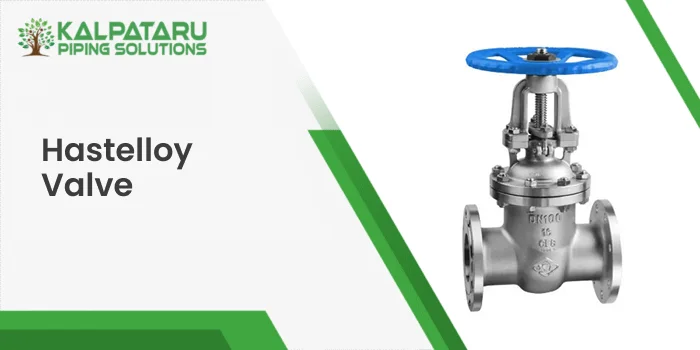
What Is a Hastelloy Valve?
A Hastelloy valve is an industrial shut-off or control valve manufactured from Hastelloy — a family of nickel-based superalloys developed for outstanding corrosion resistance in both oxidizing and reducing chemical environments. Unlike stainless steel valves that succumb to chloride pitting, crevice corrosion, or stress corrosion cracking, Hastelloy valves maintain structural integrity and leak-tight performance even when exposed to hydrochloric acid, sulfuric acid, wet chlorine gas, ferric chloride, and flue gas desulfurization (FGD) environments.
The two most widely specified Hastelloy grades in valve manufacturing are Hastelloy C276 and Hastelloy C22 — each offering a distinct performance profile for different chemical services.
Hastelloy Valve Grades — Material Overview
|
Grade |
UNS Number |
Casting Standard |
Forging Standard |
Bar Stock |
Key Characteristic |
|
Hastelloy C276 |
N10276 |
ASTM A494 CW12MW |
ASTM B564 |
ASTM B574 |
Superior resistance to reducing environments, HCl, FGD |
|
Hastelloy C22 |
N06022 |
ASTM A494 CW2M |
ASTM B564 |
ASTM B574 |
Best overall resistance to oxidizing AND reducing media |
|
Hastelloy C4 |
N06455 |
ASTM A494 CW2M |
— |
— |
Improved thermal stability over C276 |
|
Hastelloy B3 |
N10675 |
ASTM A494 N12MV |
ASTM B564 |
ASTM B335 |
Exceptional HCl resistance at all concentrations |
Key Takeaway: Hastelloy C276 (UNS N10276 / ASTM A494 CW12MW) is the most widely used grade for chemical process valves. Hastelloy C22 (UNS N06022) offers broader corrosion resistance in mixed acid environments, making it preferred for pharmaceutical and FGD applications.
Hastelloy Valve Specifications
All Kalpataru Hastelloy valves are manufactured and tested to internationally recognized valve standards. The table below covers our standard technical offering for Hastelloy C276 and C22 valves.
|
Parameter |
Details |
|
Design Standard |
API 6D, API 608, ASME B16.34, BS 5351, DIN 3357 |
|
Testing & Inspection |
API 598, MSS SP-55, MSS SP-25, MSS SP-110 |
|
Face-to-Face |
ASME B16.10 |
|
Flange Dimensions |
ASME B16.5, ASME B16.47 |
|
Pressure-Temperature Rating |
ASME B16.34 |
|
Casting Grade (C276) |
ASTM A494 CW12MW |
|
Casting Grade (C22) |
ASTM A494 CW2M |
|
Forging Standard |
ASTM B564 (N10276 / N06022) |
|
Bar Stock |
ASTM B574 (C276), ASTM B574 (C22) |
|
Pressure Rating |
CLASS 150LB – 2500LB / PN10 – PN420 / JIS 10K – 40K |
|
Size Range |
NPS 1/2” – 24” (DN15 – DN600) |
|
Instrumentation Size |
1/4” to 4” |
|
End Connections |
Flanged, Threaded (NPT/BSP), Socket Weld, Butt Weld, Compression Ferrule |
|
Thread Type |
NPT, BSPP, ISO 6149, SAE |
|
Body Type |
2-Piece, 3-Piece, Single-Piece, Trunnion Mounted |
|
Operation |
Manual Lever/Gear, Pneumatic Actuator, Electric Actuator, Hydraulic Actuator |
|
Sealing Material |
PTFE / Teflon Soft Seal, PPL, Metal Seat, Graphite Packing |
|
Working Pressure |
Up to 6,000 psig for high-pressure variants |
|
Temperature Range |
-100°C to +450°C (depending on grade and packing) |
|
Media |
Acids (HCl, H₂SO₄, HNO₃), Chlorine Compounds, FGD slurry, Wet Chlorine Gas |
|
Fire Safe |
API 607 |
|
NACE Certified |
Yes (MR0175 / ISO 15156) |
|
Approvals |
MSS SP-110, API-598, ANSI B16.34, NACE, PED 2014/68/EU |
Note: All Hastelloy valve specifications are subject to customization. Contact Kalpataru Piping Solution for project-specific MTRs, TPI packages, and NACE-compliant documentation.
Types of Hastelloy Valves Supplied by Kalpataru
We supply a complete portfolio of Hastelloy valve types in C276 and C22 grades to cover every isolation, control, and instrumentation requirement.
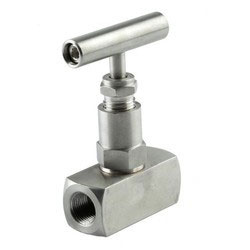 Hastelloy C276 Needle Valve
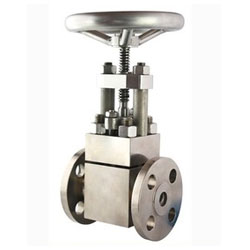 Hastelloy C22 Pressure Relief Valve
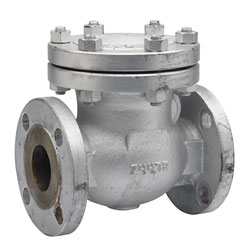
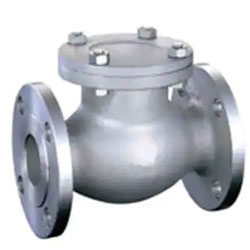 UNS N10276 Swing Check Valves
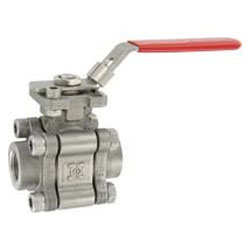 Hastelloy Valve
 Alloy NW 0276 Diaphragm Valve
 C276 Hastelloy Globe Valves
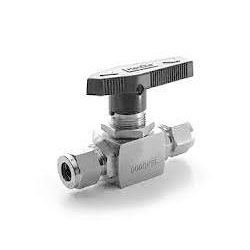
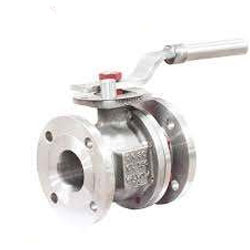
Hastelloy Ball Valves
Quarter-turn shut-off valves for fast, reliable isolation in corrosive fluid services. Available as 2-piece and 3-piece floating ball, and trunnion-mounted designs. Supplied in full-bore and reduced-bore configurations with PTFE, PPL, or metal seat options. See our Hastelloy C276 instrumentation ball valves and Hastelloy C22 instrumentation ball valves.
Hastelloy Needle Valves
Precision flow control valves for instrumentation, gauge isolation, and sampling lines. Supplied in standard and integral bonnet designs, in sizes 1/4” to 2”, pressure ratings up to 6,000 PSI. Available in Hastelloy C276 needle valves and Hastelloy C22 needle valves.
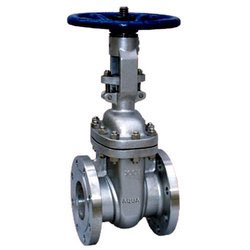
Hastelloy Gate Valves
Full-bore, minimum-resistance gate valves for on-off service in large-bore and high-pressure pipelines. Supplied in forged (ASTM B564) and cast (ASTM A494 CW12MW) bodies, sizes NPS 1/2” to 24”, Class 150 to 2500. Ideal for slurry, HCl, and FGD service where zero restriction to flow is critical.
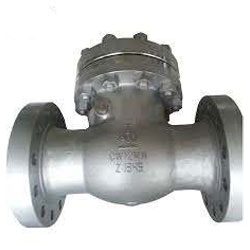
Hastelloy Check Valves
Swing and piston-type non-return valves to prevent backflow in corrosive process lines. Manufactured per API 594 and API 6D with ASME B16.34 pressure ratings. Available in wafer, flanged, and screwed end designs.
Hastelloy Manifold Valves
2-valve, 3-valve, and 5-valve manifold assemblies for differential pressure transmitter isolation and equalization. Compact design with integral tubing connection for instrumentation panels. Available in Hastelloy C276 manifold valves and Hastelloy C22 manifold valves.
Hastelloy Globe Valves
Throttle and control valves in straight-pattern, angle-pattern, and Y-pattern configurations. Available in both forged and cast Hastelloy C276 / C22 body materials, conforming to ASME B16.34 and MSS SP-42.
Hastelloy Monoflange Valves
Double-block-and-bleed (DBB) and single-block-and-bleed (SBB) designs that replace traditional 3-piece installations. For pressure gauge and transmitter primary isolation in chemical reactors and offshore topsides. See our monoflange valves.
|
Valve Type |
Size Range |
Pressure Class |
Operation |
|
Ball Valve |
1/2” – 24” |
Class 150 – 2500 |
Manual, Pneumatic, Electric |
|
Needle Valve |
1/4” – 2” |
Up to 6,000 PSI |
Manual |
|
Gate Valve |
1/2” – 24” |
Class 150 – 2500 |
Manual Handwheel, Gear |
|
Check Valve |
1/2” – 24” |
Class 150 – 1500 |
Automatic |
|
Manifold Valve |
1/2” – 2” |
Up to 6,000 PSI |
Manual |
|
Globe Valve |
1/2” – 12” |
Class 150 – 1500 |
Manual, Actuated |
|
Monoflange (DBB) |
1/2” – 2” |
Class 150 – 2500 |
Manual |
Key Features & Benefits of Hastelloy Valves
When engineers specify a Hastelloy valve for a critical chemical service, they are making a calculated choice backed by metallurgical science. Here is what sets our Hastelloy valves apart from conventional valve materials.
Superior Corrosion Resistance
Hastelloy C276 and C22 resist attack from hydrochloric acid, sulfuric acid, chlorine gas, hypochlorite, and wet scrubber slurries that would fail stainless steel 316L within weeks. The high molybdenum content (15–17% in C276) forms a passive oxide layer that regenerates even after mechanical damage — a property unique to the Ni-Mo-Cr alloy family.
Outstanding Resistance to Pitting and Crevice Corrosion
Unlike austenitic stainless steels, Hastelloy valves do not suffer chloride-induced pitting or crevice corrosion in seawater, bleach, or brackish environments. This makes them the preferred choice for offshore platforms, coastal chemical plants, and marine desalination applications.
Broad Temperature Performance
Our Hastelloy valves operate reliably from cryogenic temperatures (-100°C) up to +450°C without significant loss of corrosion resistance or mechanical strength — covering both cryogenic LNG service and high-temperature acid regeneration columns.
Dual-Environment Capability (Hastelloy C22)
Hastelloy C22 is the only nickel alloy that resists both strongly oxidizing AND reducing chemical environments simultaneously. This eliminates the need to specify two different alloy valves for mixed-service applications, reducing inventory complexity and procurement cost.
Fire-Safe Certified Design
All Kalpataru Hastelloy ball valves are fire-safe tested and certified to API 607 — critical for chemical refineries, LPG terminals, and offshore platforms where fire events are a risk assessment requirement.
NACE MR0175 / ISO 15156 Compliance
Our Hastelloy valves are NACE-certified for sour gas service (H₂S-containing hydrocarbon streams), making them suitable for upstream oil and gas, amine treating units, and sour water strippers.
Minimal Maintenance & Long Service Life
The exceptional corrosion resistance of Hastelloy alloys translates directly into lower valve replacement frequency and reduced plant turnaround costs. Plants replacing SS316L valves with Hastelloy C276 in HCl service routinely report 5–10× longer service life — significantly improving lifecycle cost economics.
Fugitive Emission Control (API 641 / ISO 15848)
Kalpataru’s Hastelloy ball valves are available with low-emission (TA-Luft / VDI 2440) packing systems and live-loaded stem seals — essential for REACH-compliant chemical plants and Zero Emission policies in the EU and North America.
Wide Certification Portfolio
Our Hastelloy valves ship with EN 10204 3.1 / 3.2 MTRs, PED 2014/68/EU Declaration of Conformity, ATEX-compliant actuators, and third-party inspection reports from TÜV, Bureau Veritas, SGS, or Lloyd’s Register — ready for EPC contractor submittal packages.
Applications & Industries — Where Hastelloy Valves Are Used
Hastelloy valves are specified wherever process fluids are too aggressive for stainless steel or other standard alloys. Below are the primary industries and specific applications served by our Hastelloy valve range.
Chemical & Petrochemical Processing
The single largest market for Hastelloy C276 valves. Applications include HCl synthesis columns, sulfuric acid alkylation units, chlor-alkali electrolysis cells, acetic acid plants (vinyl acetate monomer), and phosphoric acid scrubbers. Our Hastelloy C276 ball valves and needle valves are rated for continuous HCl exposure where SS316L would fail in under 3 months.
Pharmaceutical & Fine Chemicals
Hastelloy C22 is the material of choice for pharmaceutical API synthesis reactors, solvent recovery systems, and bioreactors where cross-contamination from corrosion products must be eliminated. Our Hastelloy manifold valves and needle valves meet FDA 21 CFR and GMP facility requirements.
Flue Gas Desulfurization (FGD) & Power Plants
FGD scrubber systems expose valves to a highly corrosive mix of SO₂, sulfurous acid, chloride ions, and abrasive gypsum slurry. Hastelloy C276 gate valves and ball valves are the industry standard for absorber tower inlet/outlet, recirculation pump isolation, and spray header service.
Oil & Gas — Upstream, Midstream & Downstream
Sour gas wells (high H₂S) require NACE MR0175-compliant valves to prevent hydrogen-induced cracking. Hastelloy C276 and C22 valves meet NACE HRC requirements and are used in wellhead choke manifolds, amine (MEA/DEA) treating units, sour water strippers, and offshore topsides. Explore our Hastelloy C276 tube fittings for instrumentation tubing runs.
Pulp & Paper Industry
Bleaching circuits (chlorine dioxide, hypochlorite, and ozone bleaching) create some of the most corrosive environments in industrial processing. Hastelloy C276 ball valves and butterfly valves handle ClO₂, NaOCl, and H₂SO₄ service at temperatures up to 90°C with virtually zero corrosion allowance required.
Semiconductor & Electronics Manufacturing
Ultra-high-purity chemical distribution systems for HF, HCl, H₂SO₄, and H₂O₂ in semiconductor fabs require valves that introduce zero metallic contamination. Hastelloy C22 electropolished needle valves and ball valves meet SEMI F57 and SEMI E70 standards for UHP chemical service.
Marine, Offshore & Desalination
Seawater, brackish water, and brine environments cause rapid pitting in SS316L. Hastelloy C276 valves are used in SWRO desalination high-pressure trains, offshore platform seawater injection systems, and marine scrubbers (IMO Tier III compliant exhaust gas cleaning systems).
Pollution Control & Waste Treatment
Acid scrubbers, neutralization tanks, hazardous waste incinerator flue gas lines, and industrial effluent treatment systems all rely on Hastelloy C276 valves for reliable containment of aggressive corrosive streams.
Application Quick-Reference Table
|
Industry |
Fluid / Environment |
Recommended Grade |
|
Chemical Processing |
HCl, H₂SO₄, Chlorine Gas |
Hastelloy C276 |
|
Pharmaceutical |
Mixed Acids, Solvents, CIP Media |
Hastelloy C22 |
|
FGD / Power |
SO₂ Scrubber Slurry, Chlorides |
Hastelloy C276 |
|
Oil & Gas (Sour) |
H₂S, CO₂, Brine |
Hastelloy C276 / C22 |
|
Pulp & Paper |
ClO₂, NaOCl, H₂SO₄ |
Hastelloy C276 |
|
Semiconductor |
HF, HCl, H₂SO₄, H₂O₂ |
Hastelloy C22 |
|
Marine / Offshore |
Seawater, NaCl Brine |
Hastelloy C276 |
|
Desalination |
High-Pressure Brine, Seawater |
Hastelloy C276 |
Hastelloy Ball Valve Approximate Weight & Dimensions
|
Size (NPS) |
Face-to-Face (mm) |
Approx. Weight (kg) |
|
1/2″ |
108 |
0.9 |
|
3/4″ |
117 |
1.1 |
|
1″ |
127 |
1.6 |
|
1.5″ |
140 |
2.8 |
|
2″ |
152 |
4.2 |
|
3″ |
178 |
9.5 |
|
4″ |
229 |
16.0 |
Hastelloy C276 Corrosion Resistance in Hydrochloric Acid
Hastelloy C276 provides excellent resistance to hydrochloric acid across a wide range of concentrations and temperatures. The following values are indicative corrosion-rate data and should be used for preliminary material selection only.
|
HCl Concentration |
Temperature |
Approx. Corrosion Rate |
|
5% |
25°C |
<0.15 mpy |
|
5% |
60°C |
<0.5 mpy |
|
10% |
25°C |
<0.2 mpy |
|
10% |
60°C |
<1.0 mpy |
|
20% |
25°C |
<0.5 mpy |
Hastelloy Valve vs Other Alloy Valves — Material Comparison
Choosing the right valve material is a critical engineering decision. The table below compares Hastelloy C276 and C22 against the most commonly specified alternatives across key performance criteria.
|
Property |
Hastelloy C276 |
Hastelloy C22 |
SS 316L |
Inconel 625 |
Monel 400 |
Duplex 2205 |
|
UNS Number |
N10276 |
N06022 |
S31603 |
N06625 |
N04400 |
S32205 |
|
Ni Content |
57% |
56% |
10–14% |
58% |
63–70% |
4–6% |
|
Mo Content |
15–17% |
12–14% |
2–3% |
8–9% |
— |
3% |
|
Cr Content |
14–16% |
20–22.5% |
16–18% |
20–23% |
— |
22–23% |
|
HCl Resistance |
Excellent |
Excellent |
Poor |
Good |
Fair |
Poor |
|
H₂SO₄ Resistance |
Excellent |
Excellent |
Fair |
Good |
Fair |
Fair |
|
Oxidizing Acids |
Good |
Excellent |
Fair |
Good |
Poor |
Fair |
|
Chloride Pitting |
Excellent |
Excellent |
Poor |
Excellent |
Good |
Good |
|
Seawater Service |
Excellent |
Excellent |
Poor |
Excellent |
Good |
Good |
|
FGD / Wet Chlorine |
Excellent |
Excellent |
Not Suitable |
Good |
Not Suitable |
Not Suitable |
|
NACE Sour Service |
Yes (MR0175) |
Yes (MR0175) |
Yes |
Yes |
Yes |
Yes |
|
Max Service Temp |
450°C |
450°C |
400°C |
982°C |
480°C |
300°C |
|
Relative Cost |
High |
Very High |
Low |
High |
Medium |
Medium |
|
Best Use Case |
HCl, FGD, Reducing |
Mixed Acid, Pharma |
General Purpose |
High Temp Acid |
Seawater, NaOH |
Structural, Seawater |
Key Takeaway: Hastelloy C276 is the go-to choice when the service involves hydrochloric acid, reducing environments, or FGD slurry. Hastelloy C22 is preferred where both oxidizing and reducing environments coexist — such as pharmaceutical multipurpose reactors and mixed-acid scrubbers. Neither SS316L nor duplex stainless steels are suitable for HCl or wet chlorine service.
How to Select a Hastelloy Ball Valve
Selecting the correct Hastelloy ball valve depends on the process fluid, operating conditions and piping configuration. Consider the following factors before placing an order:
- Identify the Process Fluid
Determine whether the valve will handle hydrochloric acid, sulfuric acid, seawater, brine, sour gas or another corrosive medium. Fluid concentration, temperature and contaminants should also be evaluated. - Select the Hastelloy Grade
Hastelloy C276 is commonly selected for highly corrosive and reducing environments. Other Hastelloy grades, such as C22, may be considered when the process requires broader resistance to oxidizing and reducing media. - Specify Valve Size and Pressure Class
Select the required NPS size and pressure class according to the piping system, operating pressure, temperature and flow requirements. Common configurations include Class 150, 300 and higher classes where applicable. - Choose the End Connection
Specify threaded, socket weld, butt weld or flanged ends according to the existing piping system and installation requirements. - Confirm Valve Construction and Operation
Specify 2-piece or 3-piece construction, floating or trunnion-mounted design, full-port or reduced-port configuration, and manual, pneumatic or electric operation as required. - Confirm Testing and Certification Requirements
For critical services, confirm applicable testing, material traceability and documentation requirements, including MTCs, pressure testing and third-party inspection where required.
Explore Related Products: