
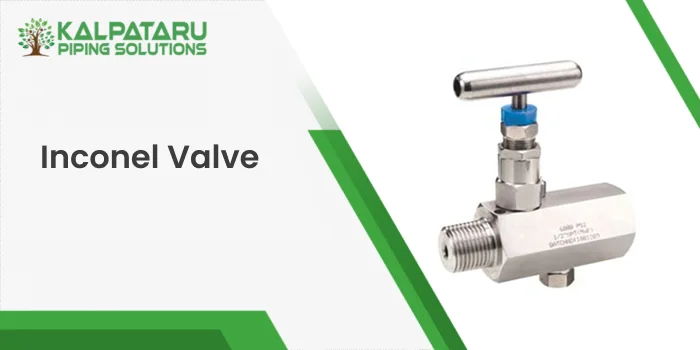
What is Inconel Valve?
An Inconel valve is a corrosion-resistant industrial valve manufactured from nickel-based alloys, including Inconel 600, 601, 625, 690, and 718. These valves are engineered to maintain mechanical strength and dependable flow control under high temperatures, elevated pressures, and highly corrosive or oxidizing process conditions. Their combination of heat resistance, corrosion resistance, and durability makes Inconel valves suitable for demanding applications in chemical processing, petrochemical plants, oil and gas, power generation, aerospace, and other critical industries.
Inconel Valve Material Grades
Technical Specifications Inconel Valve
|
Parameter |
Specification |
|
Material Grades (Cast) |
ASTM A494 CW-12MW · CW-6MC · CX-2MW · CY-40 · N-12MV |
|
Material Grades (Forged/Wrought) |
ASTM B564 UNS N06600 (Inconel 600) · N06625 (Inconel 625) · N07718 (Inconel 718) · N08800 (Incoloy 800) · N08825 (Incoloy 825) |
|
Bar / Pipe Stock |
ASTM B166 (Inconel 600 bar) · ASTM B446 (Inconel 625 bar) · ASTM B637 (Inconel 718 bar) |
|
Design Standard |
ASME B16.34 · API 6D · API 602 (compact steel gate, globe, check) · BS 5352 |
|
Face-to-Face |
ASME B16.10 · API 6D |
|
Flanged Ends |
ASME B16.5 (up to 24”) · ASME B16.47 Series A/B (above 24”) |
|
Butt Weld Ends |
ASME B16.25 |
|
Threaded Ends |
ASME B1.20.1 (NPT) · BS 21 (BSP) |
|
Nominal Pipe Size |
¼” NPS to 48” NPS (DN 8 to DN 1200) |
|
Pressure Class |
ASME Class 150 · 300 · 600 · 900 · 1500 · 2500 |
|
Pressure Rating (PN) |
PN 16 to PN 420 |
|
Temperature Range |
−196°C to +1,093°C (−320°F to +2,000°F) |
|
Pressure-Temperature Rating |
Per ASME B16.34 Group 3.4 (Ni-Cr-Fe alloys) |
|
Seat / Seating Surface |
Integral hard-faced (Inconel 625 weld overlay) · Stellite · PTFE |
|
Packing |
Graphite · PTFE · Inconel-reinforced graphite (high-temp) |
|
Bolting |
ASTM A193 B8 / B8M · ASTM A453 Gr. 660 (high-temp) |
|
Gasket |
Spiral wound Inconel 625 + graphite · Solid metal ring joint |
|
Actuation |
Manual (handwheel / lever / gearbox) · Pneumatic · Electric · Hydraulic |
|
Valve Testing |
API 598 · EN 12266-1 · API 6D Annex B |
|
Sour Service |
NACE MR0175 / ISO 15156 compliant |
|
Material Certification |
EN 10204 Type 3.1 (standard) · Type 3.2 (on request) |
|
Marking |
MSS SP-25 |
Pressure-Temperature Reference (ASME B16.34 Group 3.4 – Ni-Cr-Fe Alloys)
|
Pressure Class |
Max. Pressure at 38°C (bar) |
Max. Pressure at 316°C (bar) |
Max. Pressure at 538°C (bar) |
Max. Pressure at 760°C (bar) |
|
150# |
19.8 |
19.8 |
15.9 |
9.3 |
|
300# |
51.5 |
51.5 |
41.4 |
24.1 |
|
600# |
103.0 |
103.0 |
82.8 |
48.3 |
|
900# |
154.5 |
154.5 |
124.2 |
72.4 |
|
1500# |
257.6 |
257.6 |
207.0 |
120.7 |
|
2500# |
429.3 |
429.3 |
344.9 |
201.1 |
Values indicative; consult ASME B16.34 Table 2 and project P-T ratings for specific alloy groups.
Types of Inconel Valves
Kalpataru manufactures the full spectrum of Inconel valves required by process plants, offshore facilities, and specialty industrial installations. Each valve type is available in the grade best suited to the service — Inconel 625 for aqueous corrosion, Inconel 718 for structural high-temperature duty, Inconel 600 for furnace and heat-treatment service.
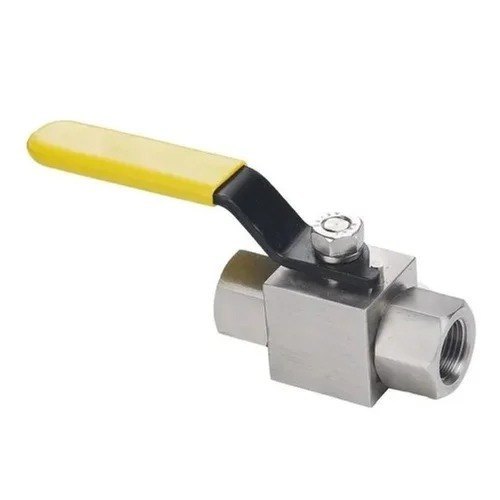
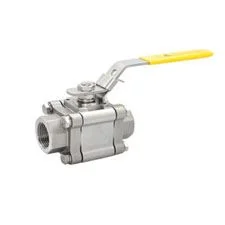 Inconel ball valve
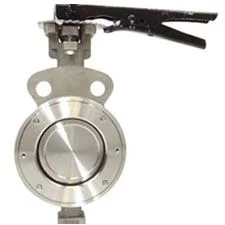 Inconel Butterfly Valves
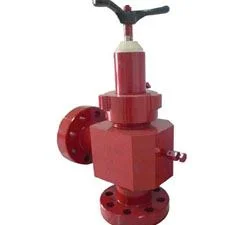 Inconel Choke valve
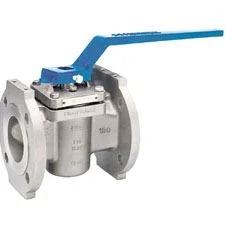 Inconel Plug Valve
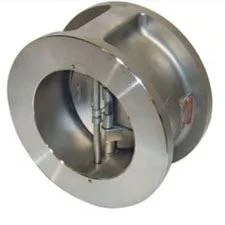 Inconel Check Valve
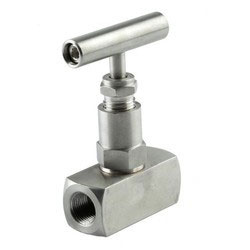
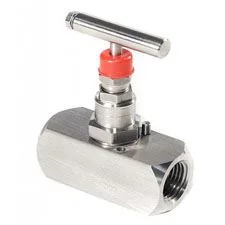 Inconel Needle Valve
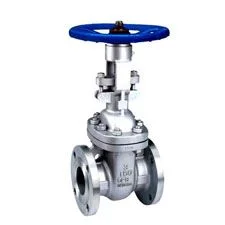 Inconel Gate Valve
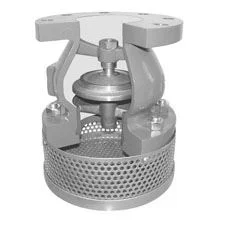 Inconel Foot Valve
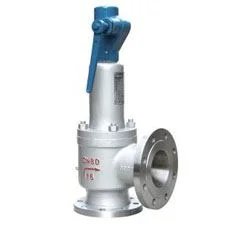 Inconel Safety Valve
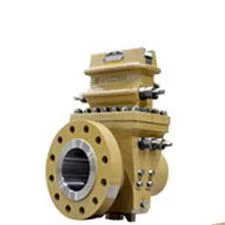 Inconel Orifice Valve
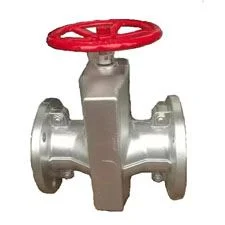 Inconel Pinch Valve
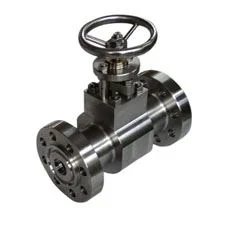 Inconel Globe Valve
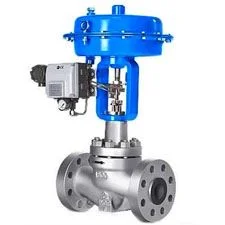 Inconel Control Valve
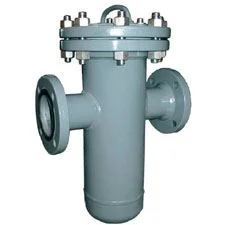 Inconel Strainer Valve
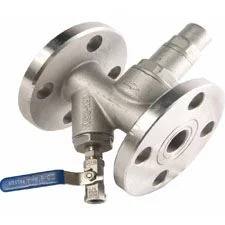 Inconel Steam Trap Valve
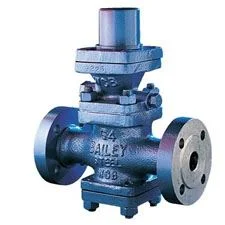 Inconel Pressure Reducing Valve
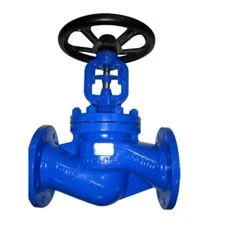 Inconel Bellow Sealed Valve
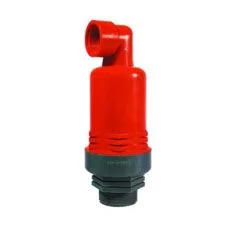 Inconel Air Release Valve
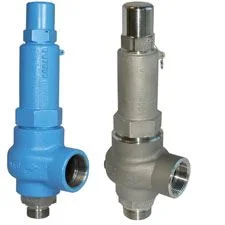 Inconel Pressure Relief Valve
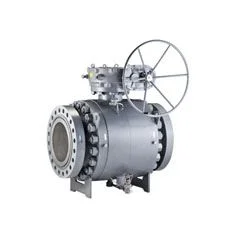 Inconel Trunnion Mounted Ball Valve
Inconel Valve Sizes and Dimensions
Kalpataru Piping Solution supplies Inconel valve sizes from ¼” NPS (DN 8) to 48” NPS (DN 1200), covering the full range of ASME and metric standards. The size capability per valve type reflects the physical constraints of each design — ball and needle valves are compact by nature; gate, globe, butterfly, and check valves scale to large-bore piping.
Size Availability by Valve Type and Pressure Class
|
Valve Type |
Min. Size |
Max. Size |
Class 150 |
Class 300 |
Class 600 |
Class 900 |
Class 1500 |
Class 2500 |
|
Ball Valve |
¼” |
24” |
• |
• |
• |
• |
• |
• |
|
Gate Valve |
¼” |
48” |
• |
• |
• |
• |
• |
• |
|
Globe Valve |
½” |
24” |
• |
• |
• |
• |
• |
• |
|
Check Valve |
½” |
36” |
• |
• |
• |
• |
• |
— |
|
Butterfly Valve |
2” |
72” |
• |
• |
• |
— |
— |
— |
|
Needle Valve |
¼” |
2” |
• |
• |
• |
• |
• |
• |
|
Plug Valve |
½” |
12” |
• |
• |
• |
• |
— |
— |
|
Safety/Relief Valve |
½” |
8” |
• |
• |
• |
• |
• |
— |
|
Control Valve |
½” |
16” |
• |
• |
• |
• |
• |
— |
- = Available · — = Not standard; consult factory
End Connection Dimensions
|
End Type |
Applicable Standard |
Notes |
|
Flanged (RF, FF, RTJ) |
ASME B16.5 (¼” – 24”) · ASME B16.47 A/B (26”+) |
Raised face standard; RTJ for Class 900+ |
|
Butt Weld |
ASME B16.25 |
Schedule-matched bore |
|
Socket Weld |
ASME B16.11 |
Sizes ¼” to 2” |
|
NPT Threaded |
ASME B1.20.1 |
Sizes ¼” to 2” |
|
BSP Threaded |
BS 21 |
Available on request |
|
Hub End (BW) |
MSS SP-44 |
Large-bore pipeline |
Weight Reference – Inconel 625 Gate Valve (Approx.)
|
NPS |
Class 150 (kg) |
Class 300 (kg) |
Class 600 (kg) |
Class 1500 (kg) |
|
1” |
2.5 |
3.5 |
5.0 |
8.5 |
|
2” |
7.0 |
10.5 |
15.0 |
28.0 |
|
4” |
25 |
38 |
60 |
115 |
|
6” |
60 |
90 |
145 |
290 |
|
8” |
115 |
175 |
275 |
— |
|
12” |
260 |
400 |
650 |
— |
Weights are approximate; actual weight depends on bore, end connection type, and body wall thickness per project spec. Contact Kalpataru for certified drawings and weight data sheets.
Chemical Composition – Inconel Valve Grades
The performance of an Inconel valve is determined by its alloy grade. Each grade in the Inconel/Incoloy family has a distinct chemistry profile engineered for a specific combination of temperature resistance, corrosion resistance, and mechanical strength. Kalpataru sources material exclusively from accredited mills with heat-certified chemistry traceable to the applicable ASTM standard.
Chemical Composition Limits (Weight %)
|
Element |
Inconel 600 (N06600) |
Inconel 625 (N06625) |
Inconel 718 (N07718) |
Incoloy 800 (N08800) |
Incoloy 825 (N08825) |
|
Nickel (Ni) |
72.0 min |
58.0 min |
50.0–55.0 |
30.0–35.0 |
38.0–46.0 |
|
Chromium (Cr) |
14.0–17.0 |
20.0–23.0 |
17.0–21.0 |
19.0–23.0 |
19.5–23.5 |
|
Iron (Fe) |
6.0–10.0 |
5.0 max |
Balance |
Balance |
Balance |
|
Molybdenum (Mo) |
— |
8.0–10.0 |
2.8–3.3 |
— |
2.5–3.5 |
|
Niobium (Nb) + Ta |
— |
3.15–4.15 |
4.75–5.50 |
— |
— |
|
Titanium (Ti) |
— |
0.40 max |
0.65–1.15 |
0.15–0.60 |
0.60–1.20 |
|
Aluminum (Al) |
— |
0.40 max |
0.20–0.80 |
0.15–0.60 |
0.20 max |
|
Copper (Cu) |
0.50 max |
0.50 max |
0.30 max |
0.75 max |
1.5–3.0 |
|
Manganese (Mn) |
1.00 max |
0.50 max |
0.35 max |
1.50 max |
1.00 max |
|
Silicon (Si) |
0.50 max |
0.50 max |
0.35 max |
1.00 max |
0.50 max |
|
Carbon (C) |
0.15 max |
0.10 max |
0.08 max |
0.10 max |
0.05 max |
|
Sulfur (S) |
0.015 max |
0.015 max |
0.015 max |
0.015 max |
0.03 max |
|
Phosphorus (P) |
— |
0.015 max |
0.015 max |
— |
0.03 max |
|
Cobalt (Co) |
— |
1.0 max |
1.0 max |
— |
— |
Grade Selection Guide by Service Environment
|
Service Condition |
Recommended Grade |
Reason |
|
Furnace service, oxidising atmosphere up to 1,093°C |
Inconel 600 |
Max oxidation resistance; high Ni + Cr |
|
Seawater, chloride pitting, reducing acids (HCl, H₂SO₄) |
Inconel 625 |
Mo + Nb additions resist pitting and crevice attack |
|
High-strength structural duty at 650–760°C |
Inconel 718 |
Gamma-prime precipitation hardening; highest strength |
|
Carburising atmosphere, high-temp steam service |
Incoloy 800H |
Controlled grain size; creep resistance up to 900°C |
|
Phosphoric acid, sulphuric acid, produced water |
Incoloy 825 |
Cu + Mo additions for reducing acid and sour service |
All incoming material verified by XRF Positive Material Identification (PMI) before machining.
Mechanical Properties – Inconel Valve Materials
The alloy grade and heat treatment condition of an Inconel valve’s body, trim, and fasteners define its usable pressure-temperature envelope. Inconel 718 occupies the top of the strength hierarchy — the only Inconel grade with precipitation-hardening that delivers yield strengths exceeding 1,000 MPa. Inconel 625 and 825 trade some strength for outstanding corrosion resistance in the annealed condition. For valve bodies, the cast grade (ASTM A494) applies; for stems, balls, and trim, wrought grades (ASTM B564, B166, B446) govern.
Minimum Room-Temperature Mechanical Properties
|
Property |
Inconel 600 (Ann.) |
Inconel 625 (Ann.) |
Inconel 718 (Aged) |
Incoloy 800 (Ann.) |
Incoloy 825 (Ann.) |
|
0.2% Yield Strength (MPa) |
207 |
276 |
1,034 |
207 |
241 |
|
Ultimate Tensile Strength (MPa) |
552 |
690 |
1,276 |
517 |
586 |
|
Elongation (%) |
40 |
30 |
12 |
30 |
30 |
|
Reduction in Area (%) |
60 |
60 |
15 |
50 |
50 |
|
Hardness (HRB / HRC) |
≤90 HRB |
≤99 HRB |
36–44 HRC |
≤90 HRB |
≤90 HRB |
|
Charpy V-Notch (J, room temp) |
≥ 100 |
≥ 80 |
≥ 30 (aged) |
≥ 100 |
≥ 100 |
High-Temperature Tensile Strength Retention
|
Temperature |
Inconel 600 UTS (MPa) |
Inconel 625 UTS (MPa) |
Inconel 718 UTS (MPa) |
316L SS UTS (MPa) (ref.) |
|
20°C |
552 |
690 |
1,276 |
485 |
|
400°C |
490 |
620 |
1,100 |
380 |
|
600°C |
440 |
550 |
950 |
260 |
|
760°C |
345 |
450 |
690 |
140 |
|
900°C |
180 |
310 |
310 |
55 |
|
1,000°C |
90 |
170 |
— |
≤20 |
At 760°C, Inconel 625 retains 65% of its room-temperature UTS; 316L stainless retains only 29% — explaining why Inconel valve bodies in high-temperature service outlast stainless alternatives by multiples.
Physical Properties
|
Property |
Inconel 600 |
Inconel 625 |
Inconel 718 |
Incoloy 825 |
|
Density (g/cm³) |
8.47 |
8.44 |
8.19 |
8.14 |
|
Melting Range (°C) |
1,354–1,413 |
1,290–1,350 |
1,260–1,336 |
1,370–1,400 |
|
Thermal Conductivity (W/m·K at 20°C) |
14.9 |
9.8 |
11.4 |
11.1 |
|
Thermal Expansion (10⁻⁶/K, 20–100°C) |
13.3 |
12.8 |
13.0 |
14.0 |
|
Elastic Modulus (GPa) |
207 |
207 |
200 |
196 |
Applications of Inconel Valves by Industry
The unique property combination of Inconel alloys — retained high-temperature strength, oxidation resistance, and broad-spectrum aqueous corrosion resistance — makes Inconel valves the specification of choice in a wide range of process industries where the consequences of valve failure are measured in production loss, safety incidents, or environmental liability.
Petrochemical & Chemical Processing
Ethylene crackers, reformers, and dehydrogenation units operate at 750–900°C in atmospheres containing hydrocarbons, hydrogen, steam, and trace sulfur compounds. Inconel 600 gate and globe valves handle the radiant section outlet and quench header service without carburising, while Inconel 625 is specified for HCl-laden process streams in PVC monomer and chlorinated solvent plants. Inconel 825 valves serve phosphoric acid dilution and sulfuric acid alkylation units where reducing acid plus chloride would corrode duplex or super duplex stainless within a single turnaround cycle.
Oil & Gas – Upstream and Sour Service
High-H₂S gas wells (sour gas) require valve materials that resist sulfide stress cracking (SSC) and hydrogen-induced cracking (HIC). Inconel 625 and 718 meet NACE MR0175 / ISO 15156 Part 3 requirements when controlled to appropriate hardness. Deep sour-gas wells with temperatures above 200°C and H₂S partial pressures above 1 bar are applications where Inconel 718 Christmas-tree and wellhead Inconel valves are the only metallic solutions that satisfy both the temperature and the NACE hardness constraint simultaneously.
Aerospace & Gas Turbine Maintenance
Jet engine and gas turbine test facilities require valves in fuel, combustion air, and bleed-air lines that operate at extreme temperatures and pressures through millions of cycles. Inconel 718’s fatigue strength and creep resistance at operating temperatures up to 650°C make it the standard material for high-pressure fuel shutoff and bleed-air control valves in both OEM manufacturing and MRO (maintenance, repair, and overhaul) facilities.
Heat Treatment & Industrial Furnaces
Muffles, retorts, and atmosphere-circulation valves in annealing furnaces, carburising boxes, and sintering kilns must withstand oxidising and carburising atmospheres at 900–1,093°C. Inconel 600 gate and globe valves are the industry standard for these applications, having replaced cast iron and carbon steel valves that oxidise, warp, and seize after a single heat-treatment cycle.
Pharmaceutical & Food Processing
High-purity steam (clean steam / WFI steam) at temperatures above 180°C is used for vessel sterilisation in bioreactors, autoclave sterilisers, and CIP circuits. Inconel 625 globe and check valves in electropolished finish prevent iron, nickel, and chromium ion release into the process fluid at levels that would compromise pharmaceutical grade purity. The alloy also resists the aggressive caustic and acid cleaning chemicals (NaOH, HNO₃, peracetic acid) used in CIP/SIP cycles.
Power Generation – Supercritical & Ultra-Supercritical Steam
Modern supercritical (SC) and ultra-supercritical (USC) coal and gas power stations operate at steam temperatures of 600–620°C and pressures of 250–300 bar. At these conditions, ferritic steel valves experience excessive creep, and conventional austenitic stainless reaches its oxidation limit. Incoloy 800H gate and globe valves are specified for mainline steam isolation and bypass service in USC units, where their combination of creep resistance and steam oxidation resistance provides a 30-year design life.
Desalination & Seawater Service
MSF evaporators and SWRO high-pressure systems expose valves to concentrated brine at elevated temperatures where chloride concentrations exceed 70,000 ppm. Inconel 625 butterfly valves and gate valves handle brine recirculation headers and discharge lines in large MSF units, and Incoloy 825 valves serve the acid-dosing and antiscalant-injection circuits in RO systems where the combination of low pH and high chloride defeats super duplex.
Quality Standards and Certifications
Every Inconel valve manufactured at Kalpataru Piping Solution’s Mumbai facility is produced and tested within a quality management system that covers the entire production chain — from incoming material verification to final documentation. Our certifications are current, third-party-audited accreditations, not legacy claims.
Quality Management Certification
|
Certification |
Scope |
Issuing / Auditing Body |
|
ISO 9001:2015 |
Design, manufacture, inspection and supply of industrial valves and piping products |
Bureau Veritas / TUV |
|
PED 2014/68/EU |
Pressure Equipment Directive compliance for valves exported to EU member states |
EU Notified Body |
|
ATEX / IECEx |
Anti-static and fire-safe valves for ATEX Zone 1 / Zone 2 classified areas |
Third-party approved |
Material and Manufacturing Standards Applied
|
Standard |
Description |
Stage Applied |
|
ASTM A494 |
Castings, nickel and nickel alloy, for corrosive service |
Material procurement (cast bodies) |
|
ASTM B564 |
Nickel alloy forgings (Inconel 625, 718 etc.) |
Material procurement (forged bodies) |
|
ASTM B166 / B446 / B637 |
Nickel alloy rod, bar, and wire (600 / 625 / 718) |
Stems, balls, plug trim |
|
ASME B16.34 |
Valves – Flanged, Threaded, and Welding End |
Design standard |
|
API 602 |
Gate, Globe, and Check Valves for Sizes DN 100 and Smaller |
Compact steel valves |
|
API 6D |
Pipeline and Pigging Valves |
Ball and gate valve |
|
API 598 |
Valve Inspection and Testing |
100% production testing |
|
EN 12266-1 |
Industrial Valves – Testing of Metallic Valves |
EU-specification orders |
|
API 607 / API 6FA |
Fire-Safe Design and Testing |
Fire-safe valve options |
|
NACE MR0175 / ISO 15156 |
Materials for Sour (H₂S) Service Environments |
Upstream oil & gas valves |
|
EN 10204 Type 3.1 |
Material Test Certificate, mill-certified |
Every heat, standard |
|
EN 10204 Type 3.2 |
MTC countersigned by independent third-party inspector |
On request |
|
MSS SP-25 |
Standard Marking System for Valves |
All valves |
Production Inspection and Test Sequence
Step 1 – Incoming Material PMI: Every forging, casting, and bar item is XRF-tested on receipt to verify alloy grade. Nickel, chromium, and molybdenum content are confirmed against the ASTM chemistry limits before any machining begins.
Step 2 – Dimensional Inspection: Body bores, face-to-face dimensions, flange bolt circles, raised face diameters, and stem thread pitch are verified against order drawings and ASME B16.10 / B16.5 tables.
Step 3 – Hydrostatic Shell Test (API 598): 1.5× rated pressure applied to the assembled valve body and bonnet for a minimum of 30 seconds. Zero visible leakage is the acceptance criterion.
Step 4 – Low-Pressure Pneumatic Seat Test: 80–100 psi (5.5–6.9 bar) air or nitrogen through each seat in turn. Bubble-tight acceptance per API 598 Table 3.
Step 5 – High-Pressure Seat Test: 1.1× rated pressure hydrostatic seat test from both sides. Metal-seated valves to API 598 Class II or API 6D Annex B leakage rates.
Step 6 – Hardness Verification (NACE orders): Stem, body, and seat ring hardness tested and documented against NACE MR0175 limits (≤22 HRC for most locations; ≤35 HRC for precipitation-hardened Inconel 718 stems per Part 3 allowance).
Step 7 – Documentation Pack: EN 10204 Type 3.1 MTC, test reports, dimensional certificate, PMI report, and packing list compiled into a Data Book shipped with each order. TPI witnessing available with 48-hour notice at no facility surcharge.
Documentation That Survives Client Audits
Engineering procurement for oil & gas, nuclear, and pharmaceutical plants routinely requires:
- Mill Test Certificates (MTC) per EN 10204 Type 3.1 or 3.2 — signed by an independent inspector
- Positive Material Identification (PMI) reports for every valve body and trim component, delivered as XRF spectra with elemental breakdown
- Hydrostatic and pneumatic test records per API 598 / EN 12266-1, including chart-recorder pressure traces, not just pass/fail stamps
- Dimensional inspection reports matching ASME B16.10 face-to-face and ASME B16.5 / B16.47 flange drilling
- Third-party inspection (TPI) co-ordination with SGS, Bureau Veritas, TÜV, Lloyds, or client-nominated agencies
Kalpataru maintains a dedicated documentation cell that assembles Material Record Books (MRB) concurrent with production, not retrospectively. Clients receive a complete MRB draft for review before final dispatch, eliminating the documentation hold-ups that delay commissioning on major EPC projects.
Grade-Specific Application Engineering
Not every inquiry specifies a grade — many start simply as “Inconel valve” with a service temperature and fluid name. Our application engineers translate those inputs into a binding grade recommendation:
|
If Your Service Is… |
Recommended Grade |
Reason |
|
High-temperature steam or flue gas |
Inconel 600 / 601 |
Oxidation resistance to 1175 °C |
|
Seawater or chloride-rich brine |
Inconel 625 |
Pitting resistance, PREN > 50 |
|
High-pressure gas requiring maximum strength |
Inconel 718 |
γ″ precipitation hardening, Ftu 185 ksi |
|
Sulphuric or phosphoric acid |
Incoloy 825 |
Mo + Cu additions for reducing acids |
|
Sour-gas wells (H₂S) |
Inconel 625 / 718 |
NACE MR0175 compliance |
This grade-mapping service is provided free of charge at the RFQ stage, ensuring that the Inconel valve price you receive reflects the optimum grade — not the cheapest material that passes a specification on paper but fails prematurely in service.