
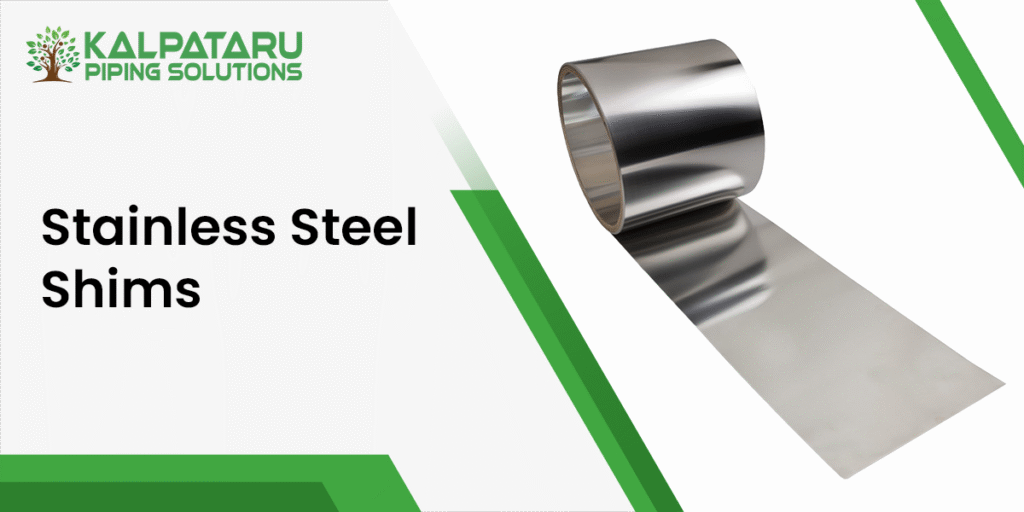
Stainless Steel Shims Manufacturer in India
A maintenance engineer once told us the difference between a good shim and a bad one only shows up six months later, once the vibration’s had time to work a bolt loose. That’s the problem with stainless steel shims; they’re unnoticed when they are correctly utilized and everyone takes notice of them when they are not working correctly. At the Kalpaturu Piping Solution facility located in Mumbai, we cut shims in grades SS 304/304L shims for normal machinery alignment applications which have dry and non-volatile environments and SS 316/316L shims when symptoms such as the presence of chlorides, humidity or coastal locations come in and 304 begins to corrode faster than was anticipated. SS 321 comes into play less often, mostly where the shim sits somewhere it’ll see repeated heat cycling. Thickness runs from 0.02mm up to 6mm, cut to ASTM A240 with a mill certificate when the job calls for one which, for anything going into a pipeline flange or rotating equipment, it usually should. If you’re weighing 304 against 316 for a specific application, or you’ve already got a drawing and just need a price, either way we can turn a quote around the same day.
- Stainless Steel Shims Material Grades
- Choosing Between the Grades
- Stainless Steel Shims Specification
- Stainless Steel Shims Chemical Composition
- Stainless Steel Shims Mechanical Properties
- SS Shims Physical Properties
- Thickness Tolerance of Stainless Steel Shims
- Stainless Steel Shims Equivalent Grade
- What Gets Checked Before a Shim Ships
- Where Stainless Steel Shims Get Used
- Stainless Steel Shims Price
- Stainless Steel Shims Sizes
- People Ask About Stainless Steel Shims Supplier
Stainless Steel Shims Material Grades
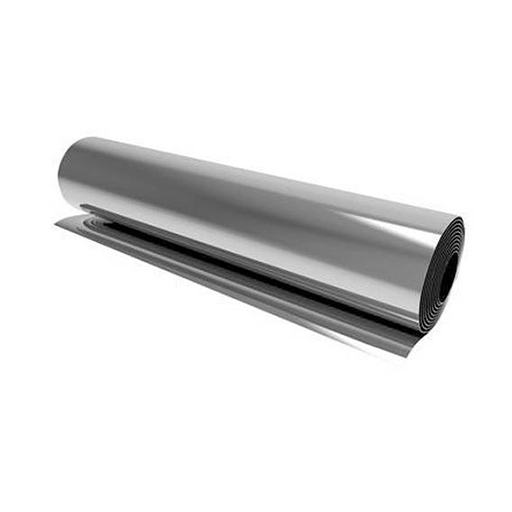
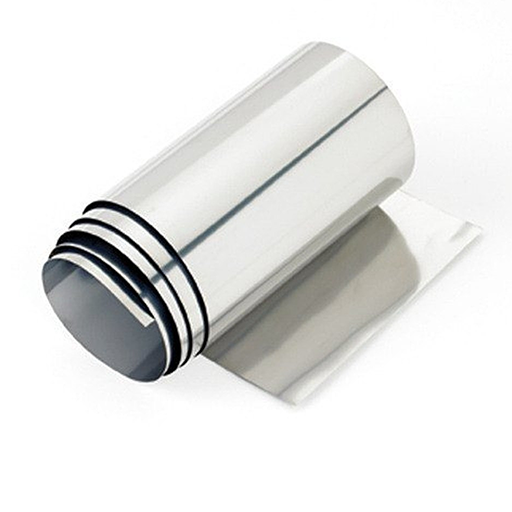
The Grades We Actually Cut, and Why Each One Gets Chosen
Stainless steel shims aren’t a single product — the grade decision is really a corrosion-versus-cost decision, and it’s worth understanding before you order rather than after a shim fails early.
- SS 304 / 304L — The Default Choice
This is what most orders land on. 304 has enough chromium (18–20%) to build a self-repairing oxide layer that resists general corrosion, and it’s cheap enough relative to 316 that there’s no reason to upgrade unless the environment demands it. 304L is the low-carbon version — same performance, but it welds without the carbide precipitation that can weaken 304 at the heat-affected zone, which matters if the shim assembly gets welded into place rather than just bolted down. - SS 316 / 316L — The Wet-and-Coastal Grade
Add 2–3% molybdenum and the picture changes: 316 resists pitting and crevice corrosion in chloride environments — washdown areas, coastal plants, marine equipment — in a way 304 simply can’t match. It costs more, and for a dry indoor application that extra cost buys you nothing. But put a 304 shim somewhere it sees regular saltwater spray and you’ll be replacing it well before a 316 shim would need it. - SS 321 — For Repeated Heat Cycling
Titanium stabilisation is the whole story here. It keeps the alloy resistant to intergranular corrosion after repeated exposure to heat, which is why 321 shows up around flanges and hot joints that see thermal cycling rather than constant ambient conditions. It’s a narrower use case than 304 or 316, so we cut it to order rather than holding it as standard stock.
Choosing Between the Grades
Factor | SS 304/304L | SS 316/316L | SS 321 |
|---|---|---|---|
Chromium Content | 18 – 20% | 16 – 18% | 17 – 19% |
Nickel Content | 8 – 10.5% | 10 – 14% | 9 – 12% |
Molybdenum | None | 2 – 3% | None |
Chloride/Pitting Resistance | Moderate | Strong | Moderate |
Heat Cycling Resistance | Standard | Standard | Enhanced (Ti-stabilised) |
Typical Environment | Dry, indoor, general use | Wet, coastal, washdown | Hot flanges, thermal cycling |
Relative Cost | Lower | Higher | Higher |
Our honest take: default to 304/304L unless you have a specific reason not to. Step up to 316/316L for moisture or chlorides, and only reach for 321 if the shim genuinely sees repeated heat cycling — most jobs don’t.
Stainless Steel Shims Specification
Parameter | Details |
|---|---|
Material Grades | SS 304, 304L, 316, 316L, 321 |
Thickness Range | 0.02mm to 6mm |
Width | Up to 1000mm, or as per customer drawing |
Length | As per requirement — coil, sheet, or cut length |
Governing Standard | ASTM A240 / ASME SA240 |
Surface Finish | Cold rolled, hot rolled, bright annealed (BA), 2B, polished |
Material Proof | Mill test certificate (EN 10204 3.1) on request |
Stainless Steel Shims Chemical Composition (%)
Grade | Carbon (max) | Chromium | Nickel | Molybdenum |
|---|---|---|---|---|
SS 304 | 0.08 | 18 – 20 | 8 – 10.5 | — |
SS 316 | 0.08 | 16 – 18 | 10 – 14 | 2 – 3 |
SS 321 | 0.08 | 17 – 19 | 9 – 12 | — |
Stainless Steel Shims Mechanical Properties
Grade | Tensile Strength (MPa) | Yield Strength (MPa) | Elongation (%) |
|---|---|---|---|
SS 304 | 515 | 205 | 40 |
SS 316 | 515 | 205 | 40 |
SS 321 | 515 | 205 | 40 |
SS Shims Physical Properties
Property | Value |
|---|---|
Density | 7.9 g/cm³ |
Melting Point | ~1400°C |
Thermal Conductivity | 16 W/m·K |
Electrical Resistivity | 0.72 µΩ·m |
Thickness Tolerance of Stainless Steel Shims
Thickness Range (mm) | Tolerance |
|---|---|
0.02 – 0.10 | ±0.005mm |
0.10 – 1.00 | ±0.01mm |
1.00 – 6.00 | ±0.05mm |
Stainless Steel Shims Equivalent Grade
| ASTM | DIN (Werkstoff) | EN | JIS |
|---|---|---|---|
| SS 304 | 1.4301 | X5CrNi18-10 | SUS 304 |
| SS 316 | 1.4401 | X5CrNiMo17-12-2 | SUS 316 |
| SS 321 | 1.4541 | X6CrNiTi18-10 | SUS 321 |
What Gets Checked Before a Shim Ships
A shim that’s the wrong thickness by even a hair defeats the entire purpose of using one — so testing isn’t an afterthought here, it’s most of the actual work.
- chemical analysis to ASTM A751 for alloy verification
- mechanical testing (tensile, yield, elongation) to ASTM A370
- dimensional checks against ASTM and ISO tolerances
- 100% visual inspection for surface defects, not spot-checking a sample
- positive material identification (PMI) and hardness testing where the grade needs confirming
- flaring, flattening and bend tests for formability on request
Every shipment where the grade actually matters — which is most of them — goes out with an EN 10204 3.1 material test certificate attached, not issued separately after the fact.
Where Stainless Steel Shims Get Used
- Pipeline & Flange Alignment: shims sit between flange faces and supports to get accurate spacing and a leak-free connection in oil, gas, and chemical piping — a small misalignment here has consequences well beyond the shim itself.
- Power Plant Equipment Leveling: turbines, generators, pumps and compressors all need precise leveling to run smoothly; a shim that’s slightly off shows up as vibration within days of startup.
- Structural Alignment: steel structures, bridges, and buildings use shims to balance loads and correct misalignments during construction — thicker stock, more static load than the rotating-equipment applications.
- Machinery Installation & Maintenance: height adjustment and alignment during both initial installation and routine maintenance, recalibrating as equipment settles or wears over time.
- Marine & Offshore: corrosion resistance is the whole reason stainless gets specified here — shipbuilding and offshore platforms are a natural fit for 316 in particular.
- Aerospace & Precision Engineering: tight tolerances and reliability matter more here than almost anywhere else — this is where the ±0.005mm end of our tolerance range actually gets used.
Stainless steel shims price
Stainless steel shims price depends on grade, thickness, size, surface finish, and order quantity — a per-kilogram number without those details isn’t very useful. As a general pattern:
Factor | Effect on Price |
|---|---|
Grade | 316/316L costs more than 304/304L due to molybdenum and nickel content |
Thickness | Thinner precision shims cost more per unit — tighter tolerances take more care to hold |
Order Quantity | Bulk orders reduce the per-unit price meaningfully |
Surface Finish | Polished or special finishes add cost over standard 2B/BA |
Custom Sizing | Custom-cut sizes and shapes cost more than stock rectangles |
Send your grade, thickness, size and quantity and we’ll come back with an actual number, not a range that doesn’t help you budget.
Stainless Steel Shims Sizes
Stainless steel shims are available in a wide range of sizes and thicknesses to meet different industrial requirements. Standard stainless steel shim thicknesses generally range from 0.01 mm to 6 mm, while widths and lengths can be supplied according to the application. Common sheet sizes include 1000 × 2000 mm, 1220 × 2440 mm, and 1500 × 3000 mm. Custom stainless steel shim sizes can also be manufactured or cut as per customer drawings, specifications, and dimensional requirements.
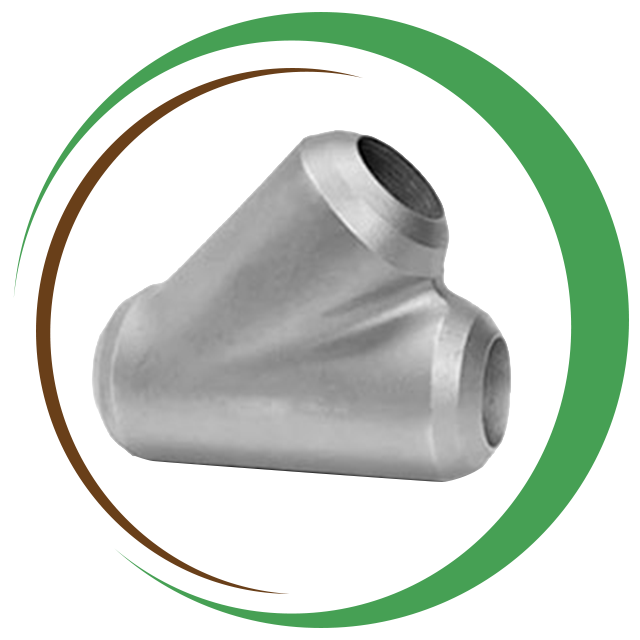
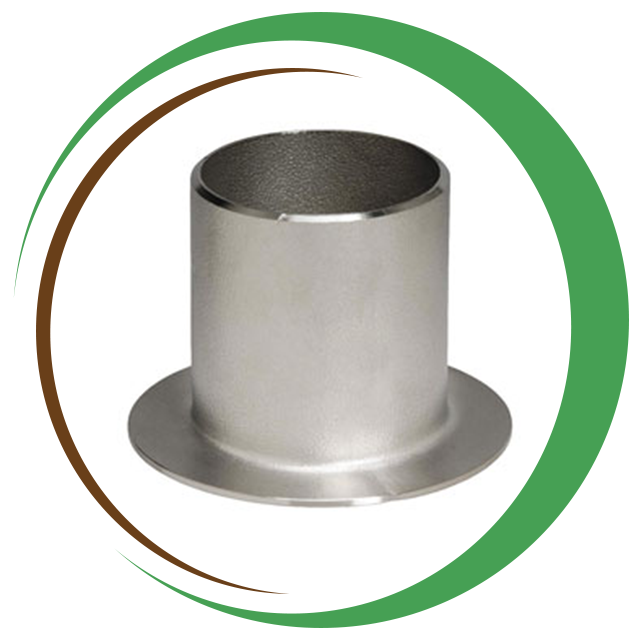
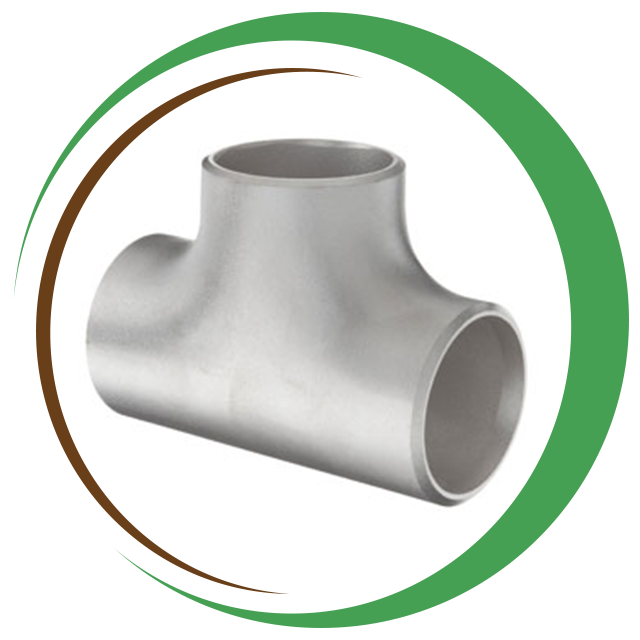
Types of Monel Pipe Fittings

People Ask About Stainless Steel Shims Supplier
Stainless steel shims are used for spacing, leveling, alignment, and load distribution in machinery, pipelines, structural assemblies, and industrial equipment.
Commonly available grades include SS 304, 304L, 316, 316L, and 321, each offering different levels of corrosion resistance and mechanical strength.
Stainless steel shims are available in thicknesses ranging from 0.02 mm up to 6 mm, with tight dimensional tolerances for precision applications.
Yes, stainless steel shims provide excellent resistance to corrosion, oxidation, moisture, and chemicals, making them suitable for harsh and outdoor environments.
Yes, Kalpaturu Piping Solution offers stainless steel shims in custom widths, lengths, and thicknesses as per client drawings and project requirements.