
How to Identify Genuine Stainless Steel Flanges Quality Checklist
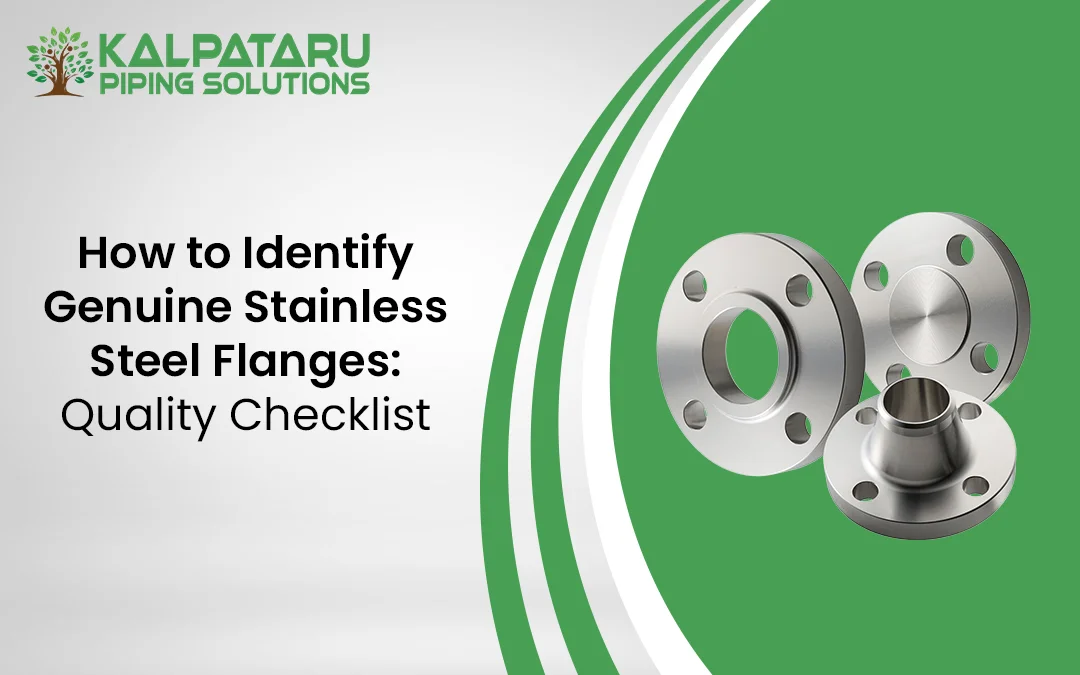
Industrial piping systems rely on strong connections. Flanges act as these critical connectors in your infrastructure. Using low-quality flanges causes leaks and leads to system failures. Finding reliable Stainless Steel Flanges is vital for project safety. Many suppliers claim to offer top grades. You must know how to spot the real deal. This guide helps you separate high-quality products from inferior ones. We will look at simple tests and visual cues to verify authenticity. Trusted stainless steel flanges manufacturers in India always follow these quality standards.

Visual Inspection and Surface Finish

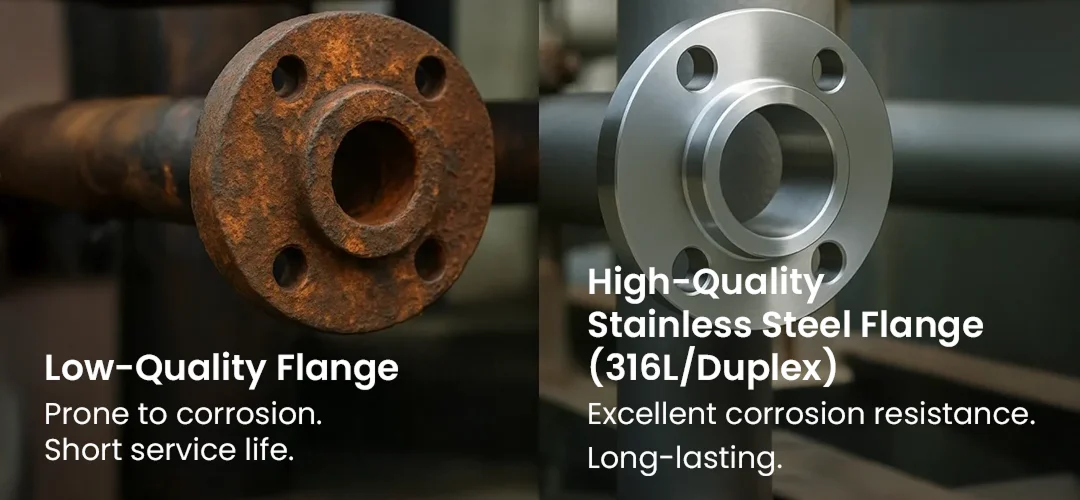
Your first step is a close look at the product. High-quality flanges have a smooth and clean surface. You should not see any rough edges or cracks. Inferior flanges often show signs of uneven machining. Look for die marks or peeling on the body. These are signs of poor manufacturing. The edges must be sharp and precise. A good flange has a consistent texture. Rust spots on a new flange are a red flag. Genuine stainless steel resists rust. Packaging also tells a story. Quality products come with proper protective covers to prevent scratches.
Visual Inspection and Surface Finish

Verify the Marking and Stamping

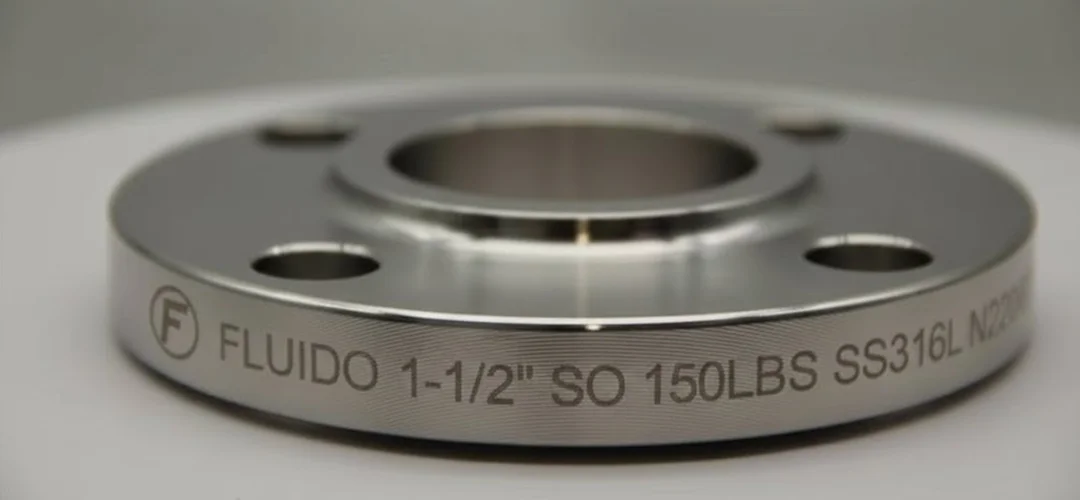
Every genuine flange carries specific information. Manufacturers stamp these details directly on the metal ring. You should look for the manufacturer logo and material grade. The size and pressure class must be visible. The most important detail is the Heat Number. This unique number links the flange to its raw material history. Compare this Heat Number with the test certificate. If the numbers do not match then reject the item. Poor quality flanges often have missing or blurry stamps. Legible marking is a sign of professional stainless steel flanges manufacturers in India.
Verify the Marking and Stamping

The Magnet Test

This is a quick way to check material type. You can perform this with a simple handheld magnet. Most austenitic stainless steel grades are non-magnetic. This includes stainless steel 304 flanges and stainless steel 316 flanges. Place the magnet on the flange body. If it sticks strongly it might be carbon steel. If it does not stick it is likely stainless steel. Note that some cold working can cause slight magnetism. This is normal for formed flanges. However strong magnetism is a warning sign. It often indicates the wrong material composition or improper heat treatment.

Chemical Composition Analysis

Visual checks are good but chemistry offers proof. Different grades have specific chemical requirements. Portable X-ray fluorescence (PMI) guns give instant results. You can verify the exact percentage of elements. Stainless steel 304 flanges contain about 18% chromium and 8% nickel. Stainless steel 316 flanges have added molybdenum. This element improves corrosion resistance. It is vital for marine environments. Stainless steel 304L flanges are low carbon versions. They prevent carbide precipitation during welding. For extreme conditions you might use stainless steel 904L flanges. This grade has high nickel and copper content. A chemical test confirms these expensive elements are actually present.

Dimensional Accuracy Check

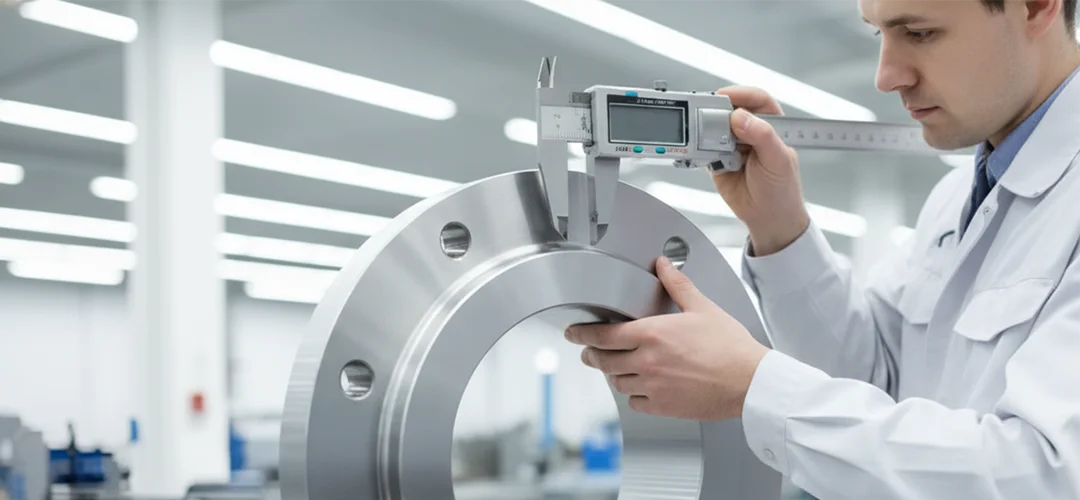
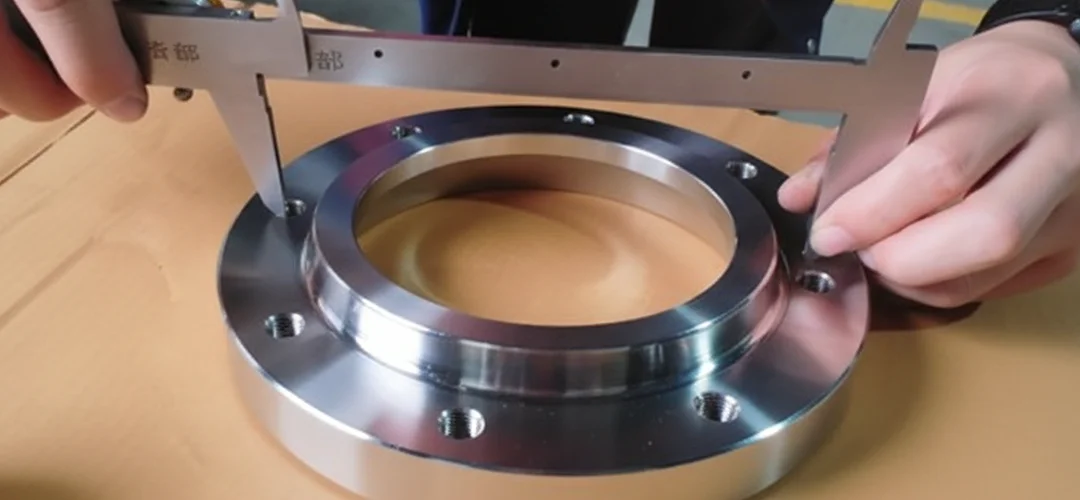
A flange must fit perfectly with the pipe. Incorrect dimensions lead to installation problems. You need a caliper to measure key areas. Check the outer diameter and inner diameter. Measure the bolt hole center distance carefully. Even a small error in bolt hole spacing causes alignment issues. The flange face must be perfectly flat. Warped faces prevent gaskets from sealing. This leads to dangerous leaks under pressure. Standard tolerances are strict. Genuine parts always meet these precise measurements.

Dimensional Accuracy Check

Molybdenum Spot Test

This specific test distinguishes 304 from 316 grades. Both look identical to the naked eye. Stainless steel 316 flanges cost more due to molybdenum. Unethical sellers might sell 304 as 316. You can use a specific chemical reagent kit. Put a drop on the metal surface. If it turns a specific color it confirms molybdenum presence. This verifies you get the corrosion resistance you paid for. It safeguards your project against chloride attacks.

Mechanical Strength and Hardness Performance

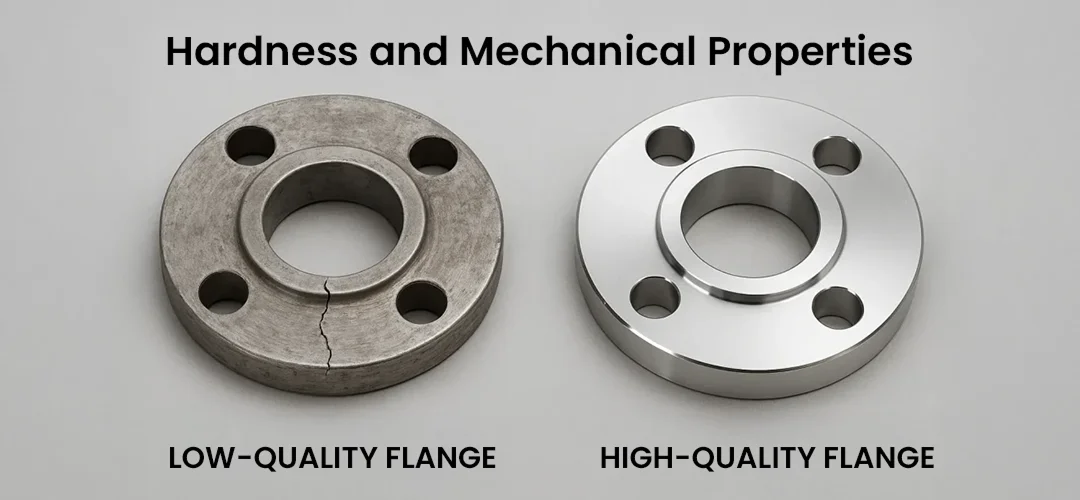
The stainless steel flange should also have a high quality and have certain hardness and mechanical characteristics so that it could resist the pressure and temperature conditions of industry. It is vital, especially in high-pressure systems, e.g., in oil and gas pipelines. The advantages of our forged steel flange are that it is stronger and more tough than plate cut flanges that are likely to crack and fail when stressed. Remember, low quality flanges can pressurize, resulting in leakages, machine damages and even accidents.

Mechanical Strength and Hardness Performance

Enquire Now

Fill the Captcha

Long-Term Durability and Corrosion Protection

High quality stainless steel flanges are characterised by corrosion resistance. Flanges can be subjected to severe chemicals, saltwater or even extreme temperatures depending on the usage application. Material and surface treatment may greatly increase the life of flange. Flanges of low quality can easily be corrupted and leak after which they have to be replaced at a very high expense.

Long-Term Durability and Corrosion Protection

Review the Mill Test Certificate (MTC)

Paperwork is as important as the metal. A standard EN 10204 3.1 certificate is mandatory. This document reports the chemical and physical tests. It comes from the original raw material mill. Check the values against international standards. Verify the yield strength and tensile strength. Confirm the chemical composition matches the grade. The Heat Number on the paper must match the flange. Missing or fake certificates are common with low-grade stock. Always ask for the MTC before purchasing.

The Bottom Line: Trusted Stainless Steel Flanges Manufacturer in India

Quality assurance saves money and lives. You avoid expensive replacements and shutdowns. Simple checks like the magnet test and visual inspection work well. Chemical analysis provides the final verdict. Always source from reputable stainless steel flanges manufacturers in India. They provide transparency and proper documentation. Whether you need standard stainless steel 304 flanges or specialized stainless steel 904L flanges, you must verify the quality. Use this checklist for your next purchase at Kalpataru Piping Solution. Contact us for further inquiry about any product or ask for a quotation.

Enquire Now

Filll the form details below and get in touch with us today.

Fill the Captcha

Related Blogs

What is Stainless Steel Valve?

An engineering industry staple for its high strength, resistance to corrosion, and ease of maintenance...
Read More
What Is Monel Alloy?

What Is Monel Alloy? Composition, Properties & Uses (Guide)

In industries where reliability and durability are critical, material failure can result in costly downtime...
Read More
What Are Industrial Valves? Types, Functions, and Applications

What Are Industrial Valves? Types, Functions, and Applications

Industrial valves are the most important components that are used to regulate, control, and change...
Read More

Our Recent Blogs

What Is Monel Alloy?

What Is Monel Alloy? Composition, Properties & Uses (Guide)

In industries where reliability and durability are critical, material failure can result in costly downtime...
What Are Industrial Valves? Types, Functions, and Applications

What Are Industrial Valves? Types, Functions, and Applications

Industrial valves are the most important components that are used to regulate, control, and change...
What Are Inconel Tube Fittings? Properties, Types, and Uses

What Are Inconel Tube Fittings? Properties, Types, and Uses

Inconel is a kind of austenitic nickel-chromium-based superalloy, which is very resistant to high temperature...